

Collection: Car Door Sill Guard


-
Galio Door Sill Guard for Ford EcoSport (2013 Onwards) | Stainless Steel | Scratch Protection | Set of 4 | Premium Finish
Regular price Rs. 650Sale price Rs. 650 Regular priceUnit price perRs. 687Sale -
Galio Door Sill Guard for Maruti Suzuki Swift (2018–2024) | Stainless Steel | Scratch Protection | Set of 4 | Premium Finish
Regular price Rs. 620Sale price Rs. 620 Regular priceUnit price perRs. 629Sale -
Galio Door Sill Guard for Honda Elevate (2023 Onwards) | Stainless Steel | Scratch Protection | Set of 4 | Premium Finish
Regular price Rs. 650Sale price Rs. 650 Regular priceUnit price perRs. 650 -
Galio Door Sill Guard for Maruti Suzuki Swift (2024 Onwards) | Stainless Steel | Scratch Protection | Set of 4 | Premium Finish
Regular price Rs. 620Sale price Rs. 620 Regular priceUnit price perRs. 629Sale -
Galio Door Sill Guard for Kia Carens Clavis (2025 Onwards) | Stainless Steel | Scratch Protection | Set of 4 | Premium Finish
Regular price Rs. 650Sale price Rs. 650 Regular priceUnit price perRs. 687Sale -
Galio Door Sill Guard for Maruti Suzuki Jimny (2023 Onwards) | Stainless Steel | Scratch Protection | Set of 4 | Premium Finish
Regular price Rs. 650Sale price Rs. 650 Regular priceUnit price perRs. 687Sale -
Galio Stainless Steel Door Sill Guards for Renault Duster 2026 Onwards | Set of 4 Scuff Plates | Metal Threshold Protection
Regular price Rs. 650Sale price Rs. 650 Regular priceUnit price perRs. 650 -
Galio Stainless Steel Door Sill Guards for Maruti Suzuki Swift 2011-17 | Set of 4 Scuff Plates | Metal Threshold Protection
Regular price Rs. 650Sale price Rs. 650 Regular priceUnit price perRs. 650 -
Galio Stainless Steel Door Sill Guards for Mahindra XUV 7XO | Set of 4 Scuff Plates | Metal Threshold Protection
Regular price Rs. 600Sale price Rs. 600 Regular priceUnit price perRs. 600 -
Galio Door Sill Guard for Hyundai i20 (2020 Onwards) | Stainless Steel | Scratch Protection | Set of 4 | Premium Finish
Regular price Rs. 650Sale price Rs. 650 Regular priceUnit price perRs. 687Sale -
Galio Stainless Steel Door Sill Guards for Vinfast VF6 EV 2025 Onwards | Set of 4 Scuff Plates | Metal Threshold Protection
Regular price Rs. 650Sale price Rs. 650 Regular priceUnit price perRs. 650 -
Galio Stainless Steel Door Sill Guards for Toyota Taisor 2024 Onwards | Set of 4 Scuff Plates | Metal Threshold Protection
Regular price Rs. 600Sale price Rs. 600 Regular priceUnit price perRs. 600 -
Galio Stainless Steel Door Sill Guards for Toyota Innova Crysta 2016 Onwards | Set of 4 Scuff Plates | Metal Threshold Protection
Regular price Rs. 600Sale price Rs. 600 Regular priceUnit price perRs. 600 -
Galio Stainless Steel Door Sill Guards for Toyota Hycross 2023 Onwards | Set of 4 Scuff Plates | Metal Threshold Protection
Regular price Rs. 650Sale price Rs. 650 Regular priceUnit price perRs. 650 -
Galio Stainless Steel Door Sill Guards for Tata Nexon 2017 Onwards | Set of 4 Scuff Plates | Metal Threshold Protection
Regular price Rs. 600Sale price Rs. 600 Regular priceUnit price perRs. 600 -
Galio Stainless Steel Door Sill Guards for Tata Curvv & Curvv EV | Set of 4 Scuff Plates | Metal Threshold Protection
Regular price Rs. 600Sale price Rs. 600 Regular priceUnit price perRs. 600 -
Galio Stainless Steel Door Sill Guards for Skoda Kylaq 2025 Onwards | Set of 4 Scuff Plates | Metal Threshold Protection
Regular price Rs. 650Sale price Rs. 650 Regular priceUnit price perRs. 650 -
Galio Stainless Steel Door Sill Guards for Skoda Kushaq 2021 Onwards | Set of 4 Scuff Plates | Metal Threshold Protection
Regular price Rs. 860Sale price Rs. 860 Regular priceUnit price perRs. 900Sale -
Galio Stainless Steel Door Sill Guards for Maruti Suzuki Victoris 2025 Onwards | Set of 4 Scuff Plates | Metal Threshold Protection
Regular price Rs. 650Sale price Rs. 650 Regular priceUnit price perRs. 650 -
Galio Stainless Steel Door Sill Guards for Maruti Suzuki Fronx 2023 Onwards | Set of 4 Scuff Plates | Metal Threshold Protection
Regular price Rs. 650Sale price Rs. 650 Regular priceUnit price perRs. 650 -
Galio Stainless Steel Door Sill Guards for Maruti Suzuki Ertiga 2018 Onwards | Set of 4 Scuff Plates | Metal Threshold Protection
Regular price Rs. 600Sale price Rs. 600 Regular priceUnit price perRs. 600 -
Galio Stainless Steel Door Sill Guards for Maruti Suzuki Baleno 2015 Onwards | Set of 4 Scuff Plates | Metal Threshold Protection
Regular price Rs. 600Sale price Rs. 600 Regular priceUnit price perRs. 600 -
Galio Door Sill Guard for Mahindra XUV300 (2019 Onwards) | Stainless Steel | Scratch Protection | Set of 4 | Premium Finish
Regular price Rs. 600Sale price Rs. 600 Regular priceUnit price perRs. 600 -
Galio Door Sill Guard for Mahindra Thar Roxx (2024 Onwards) | Stainless Steel | Scratch Protection | Set of 4 | Premium Finish
Regular price Rs. 650Sale price Rs. 650 Regular priceUnit price perRs. 650 -
Galio Door Sill Guard for Hyundai Verna Fluidic (2011-2016) | Stainless Steel | Scratch Protection | Set of 4 | Premium Finish
Regular price Rs. 650Sale price Rs. 650 Regular priceUnit price perRs. 650 -
Galio Door Sill Guard for Hyundai Exter (2023 Onwards) | Stainless Steel | Scratch Protection | Set of 4 | Premium Finish
Regular price Rs. 650Sale price Rs. 650 Regular priceUnit price perRs. 650 -
Galio Door Sill Guard for Hyundai Xcent (2013 Onwards) | Stainless Steel | Scratch Protection | Set of 4 | Premium Finish
Regular price Rs. 620Sale price Rs. 620 Regular priceUnit price perRs. 629Sale -
Galio Door Sill Guard for Hyundai i20 Elite (2014–2020) | Stainless Steel | Scratch Protection | Set of 4 | Premium Finish
Regular price Rs. 620Sale price Rs. 620 Regular priceUnit price perRs. 629Sale -
Galio Door Sill Guard for Hyundai Grand i10 (2013 Onwards) | Stainless Steel | Scratch Protection | Set of 4 | Premium Finish
Regular price Rs. 620Sale price Rs. 620 Regular priceUnit price perRs. 629Sale -
Galio Door Sill Guard for Honda City (2020 Onwards) | Stainless Steel | Scratch Protection | Set of 4 | Premium Finish
Regular price Rs. 650Sale price Rs. 650 Regular priceUnit price perRs. 687Sale -
Galio Door Sill Guard for Hyundai Creta (2015 Onwards) | Stainless Steel | Scratch Protection | Set of 4 | Premium Finish
Regular price Rs. 620Sale price Rs. 620 Regular priceUnit price perRs. 629Sale -
Galio Stainless Steel Door Sill Guards for Kia Carens 2022 Onwards | Set of 4 Scuff Plates | Metal Threshold Protection
Regular price Rs. 650Sale price Rs. 650 Regular priceUnit price perRs. 650 -
Galio Stainless Steel Door Sill Guards for Vinfast VF7 EV 2025 Onwards | Set of 4 Scuff Plates | Metal Threshold Protection
Regular price Rs. 650Sale price Rs. 650 Regular priceUnit price perRs. 650 -
Galio Stainless Steel Door Sill Guards for Toyota Urban Cruiser Hyryder 2022 Onwards | Set of 4 Scuff Plates | Metal Threshold Protection
Regular price Rs. 650Sale price Rs. 650 Regular priceUnit price perRs. 650 -
Galio Stainless Steel Door Sill Guards for Toyota Urban Cruiser 2020 Onwards | Set of 4 Scuff Plates | Metal Threshold Protection
Regular price Rs. 650Sale price Rs. 650 Regular priceUnit price perRs. 650 -
Galio Stainless Steel Door Sill Guards for Toyota Rumion 2023 Onwards | Set of 4 Scuff Plates | Metal Threshold Protection
Regular price Rs. 650Sale price Rs. 650 Regular priceUnit price perRs. 650 -
Galio Stainless Steel Door Sill Guards for Toyota Glanza 2020 Onwards | Set of 4 Scuff Plates | Metal Threshold Protection
Regular price Rs. 650Sale price Rs. 650 Regular priceUnit price perRs. 650 -
Galio Stainless Steel Door Sill Guards for Toyota Ebella 2026 Onwards | Set of 4 Scuff Plates | Metal Threshold Protection
Regular price Rs. 650Sale price Rs. 650 Regular priceUnit price perRs. 650 -
Galio Stainless Steel Door Sill Guards for Tata Tigor 2016 Onwards | Set of 4 Scuff Plates | Metal Threshold Protection
Regular price Rs. 600Sale price Rs. 600 Regular priceUnit price perRs. 600 -
Galio Stainless Steel Door Sill Guards for Tata Sierra & Sierra EV | Set of 4 Scuff Plates | Metal Threshold Protection
Regular price Rs. 650Sale price Rs. 650 Regular priceUnit price perRs. 650 -
Galio Stainless Steel Door Sill Guards for Tata Altroz 2019 Onwards | Set of 4 Scuff Plates | Metal Threshold Protection
Regular price Rs. 600Sale price Rs. 600 Regular priceUnit price perRs. 600 -
Galio Stainless Steel Door Sill Guards for Skoda Slavia 2022 Onwards | Set of 4 Scuff Plates | Metal Threshold Protection
Regular price Rs. 700Sale price Rs. 700 Regular priceUnit price per -
Galio Stainless Steel Door Sill Guards for Renault Triber 2019 Onwards | Set of 4 Scuff Plates | Metal Threshold Protection
Regular price Rs. 650Sale price Rs. 650 Regular priceUnit price perRs. 650 -
Galio Stainless Steel Door Sill Guards for Renault Kwid 2015 Onwards | Set of 4 Scuff Plates | Metal Threshold Protection
Regular price Rs. 650Sale price Rs. 650 Regular priceUnit price perRs. 650 -
Galio Stainless Steel Door Sill Guards for Renault Kiger 2021 Onwards | Set of 4 Scuff Plates | Metal Threshold Protection
Regular price Rs. 650Sale price Rs. 650 Regular priceUnit price perRs. 650 -
Galio Stainless Steel Door Sill Guards for Renault Duster 2013 Onwards | Set of 4 Scuff Plates | Metal Threshold Protection
Regular price Rs. 650Sale price Rs. 650 Regular priceUnit price perRs. 650 -
Galio Stainless Steel Door Sill Guards for Nissan Magnite 2020 Onwards | Set of 4 Scuff Plates | Metal Threshold Protection
Regular price Rs. 650Sale price Rs. 650 Regular priceUnit price perRs. 650 -
Galio Stainless Steel Door Sill Guards for Nissan Gravite 2026 Onwards | Set of 4 Scuff Plates | Metal Threshold Protection
Regular price Rs. 650Sale price Rs. 650 Regular priceUnit price perRs. 650


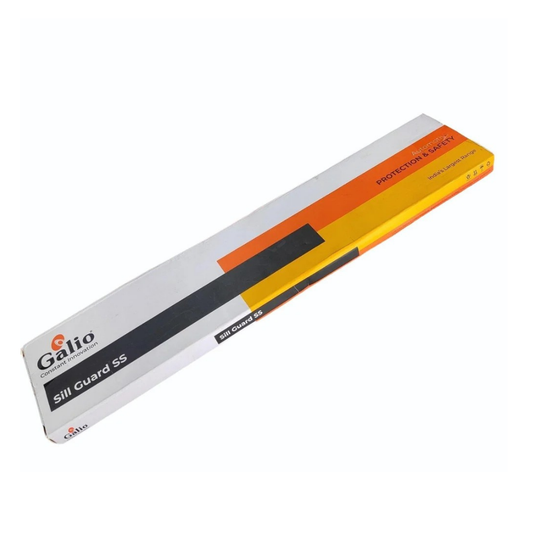








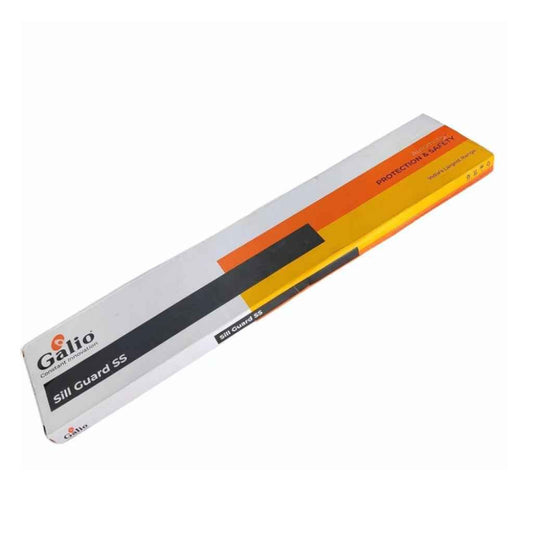







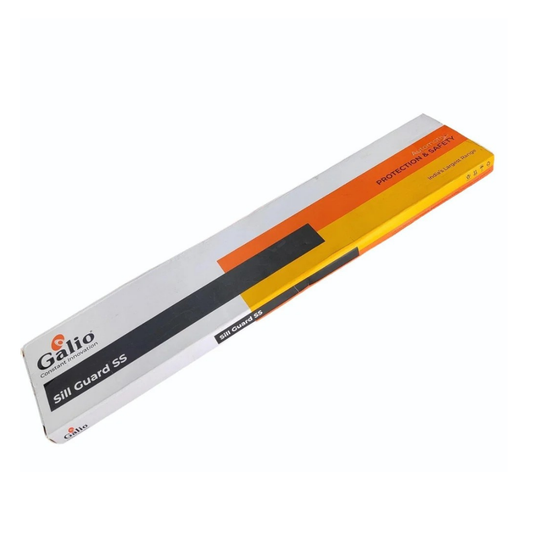

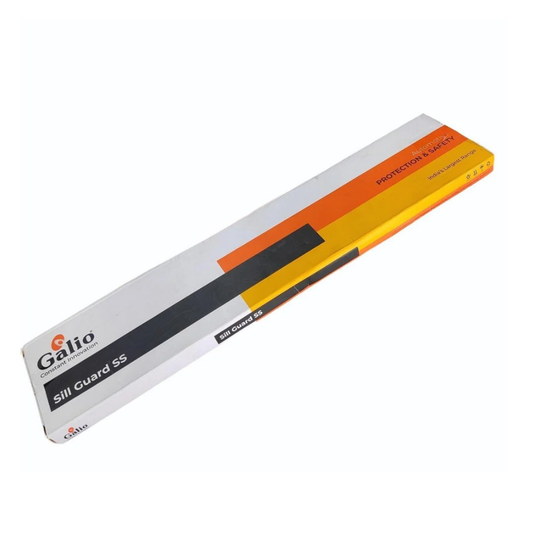

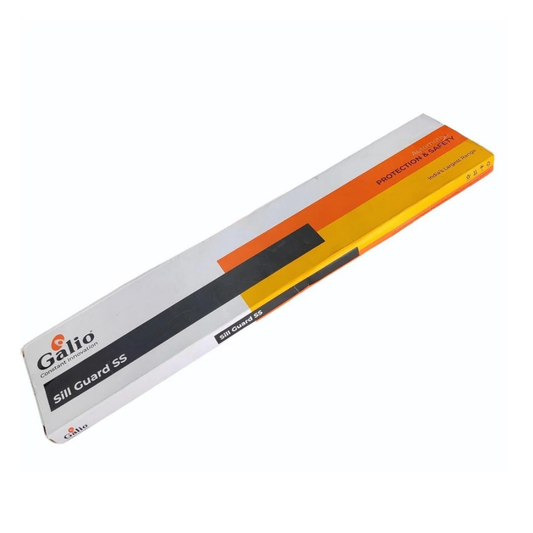

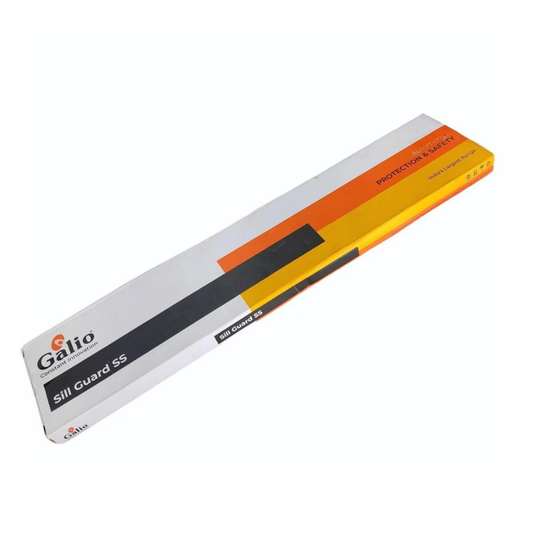

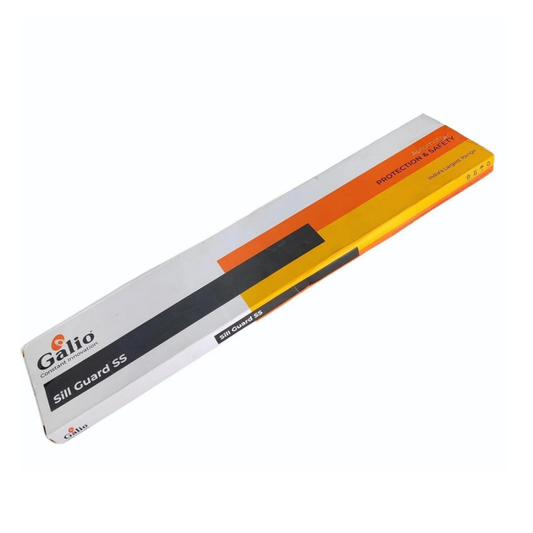







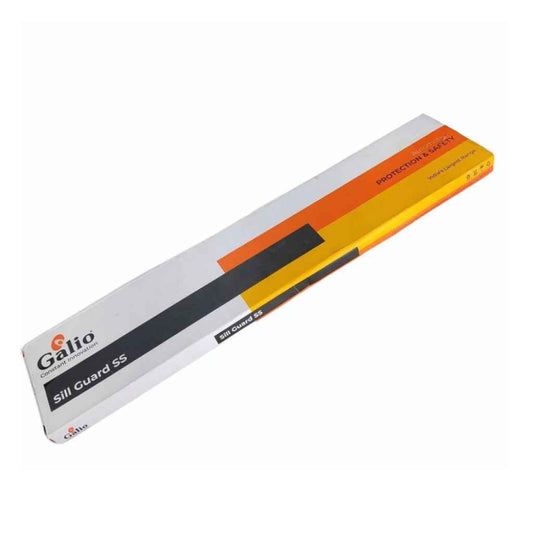


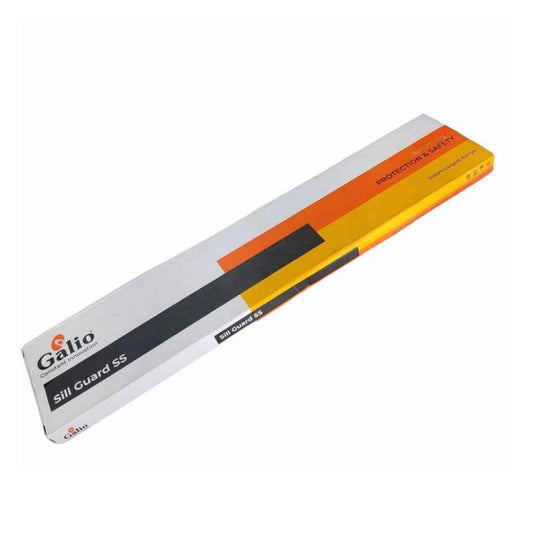


The door sill is the horizontal ledge at the base of each car door opening that every occupant steps over when entering or exiting the vehicle. It is the most physically contacted exterior-interior surface on any car, receiving the direct impact of boot heels, shoe soles, bag handles, and shopping loads on every single entry and exit across the life of the car. Unprotected factory sill surfaces, whether painted metal, plastic trim, or anodised steel, show scuff marks, paint wear, and surface scratching within months of daily use. A car door sill guard is a stainless steel plate that mounts directly onto the sill surface and takes all of this contact on its own hardened, scratch-resistant surface, keeping the original material underneath in pristine condition. At NHone, we carry 21 car door sill protector sets in stock, all in stainless steel with a premium finish, covering five car manufacturers across multiple popular Indian models.
What Is a Car Door Sill Guard and Why Does Every Car Need One?
A car door sill guard, also called a door sill protector or car kick plate, is a precision-fitted stainless steel plate that covers the horizontal sill surface at the base of each car door opening. It is mounted on top of the existing sill surface using automotive-grade adhesive tape and sits flush with the surrounding trim, protecting the original surface from the constant foot contact that causes the scuffing and scratching that makes door sills look worn and old within a year or two of regular use.
What a car sill protector prevents in daily use:
-
Boot heel scuffs that scratch through the surface coating of painted or plastic sill panels on entry
-
Shoe sole contact that deposits grit and fine abrasive particles onto the sill surface and grinds them in with every step
-
Shopping bag handles dragged across the sill when loading heavy items into the rear seat
-
Child car seat base edges that contact the sill repeatedly during installation and removal
-
Pet paws and claws that scratch the sill surface repeatedly when animals are helped in and out of the car
-
The gradual surface wear that accumulates across hundreds of entries and exits per year and is invisible individually but significant over time
Why the Door Sill Is the Most Vulnerable Surface on a Car's Interior
Most car owners protect their car floors with mats, their windows with sun shades, and their exteriors with body covers, but leave the door sills completely unprotected. The sill sits at the precise point where the transition between the outside world and the car interior occurs, making it uniquely exposed to both exterior dirt and interior physical contact simultaneously.
Key reasons the door sill degrades faster than any other surface in the cabin:
-
Every person who enters or exits the car contacts it: The sill receives foot contact from every occupant on every journey, making its cumulative daily use count far higher than any seat, floor, or dashboard surface
-
It is at the exact height of boot heels and shoe edges: Unlike the floor mat which receives flat-soled shoe contact, the sill receives the sharp, concentrated edge contact of heels, which concentrates the impact force into a small area and causes deeper scratching per contact
-
It is exposed to outdoor contaminants: Mud, gravel, and grit carried on footwear from outside are deposited directly onto the sill surface, where they act as an abrasive between the shoe and the sill
-
Factory sill surfaces are not scratch-hardened: Most factory door sills in Indian cars are either painted steel, plastic-capped steel, or textured ABS plastic. None of these materials are as hard as stainless steel, and all show scratching under regular boot contact within months
Why Stainless Steel Is the Right Material for a Car Door Sill Guard
The choice of stainless steel over plastic, ABS, carbon fibre film, or rubber for a car door sill guard is not an aesthetic preference. It reflects the material science of the specific contact conditions the sill guard must withstand.
Why stainless steel outperforms all alternatives for sill protection:
-
Surface hardness: Stainless steel is significantly harder than ABS plastic, painted metal, or rubber. It resists scratching from boot heels, grit, and shoe edges at a material level that softer alternatives cannot match
-
Compression resistance: Stainless steel does not flex, compress, or dent under concentrated load from a boot heel in the way that rubber or plastic overlays do. It maintains its shape and surface condition across thousands of contact cycles
-
No edge lifting: Rigid stainless steel plates bonded with automotive adhesive do not lift at the edges the way thin vinyl or film-based protectors do under repeated contact and moisture exposure during monsoon conditions
-
Long-term appearance: The brushed or polished steel finish of a door sill plate does not yellow, fade, or discolour under UV, heat, or chemical exposure. A quality stainless steel sill guard looks virtually the same after five years of use as it did on installation day
-
Cleaning ease: Stainless steel surfaces are non-porous and smooth, making grit, mud, and moisture easy to wipe off completely with a damp cloth without any residue remaining in the surface texture
-
Premium aesthetic: A stainless steel car kick plate adds a visibly premium quality to the door entry point that instantly improves the perceived quality of the interior, regardless of the car's trim level
Key Features of Our Stainless Steel Car Door Sill Guards
Every auto door sill protector set in our collection is manufactured to a consistent quality standard. These are the confirmed features across all 21 products.
Key features of every car door sill guard in our collection:
-
Stainless steel construction: High-grade stainless steel throughout, providing surface hardness, corrosion resistance, and long-term dimensional stability under daily entry and exit contact
-
Premium finish: A consistent premium surface finish that adds a clean, upmarket appearance to each door entry point without any rough edges or inconsistent plating
-
Scratch protection rating: The stainless steel surface is rated to absorb the specific scratch and abrasion loads generated by regular footwear contact without surface damage
-
Model-specific fitment: Each set is precision-cut to the exact sill dimensions of the specific car model and year listed, ensuring the plate covers the full sill surface from edge to edge without gaps or overhang
-
Set of 4: Every purchase includes plates for all four door sills simultaneously, covering the complete entry perimeter of the car consistently
-
Adhesive mount installation: Pre-applied or included automotive-grade double-sided tape allows tool-free installation without drilling, screwing, or removing any existing trim
What a Car Door Sill Protector Looks Like After Installation
A well-fitted door sill trim plate in stainless steel creates a specific visual effect at the entry point of each door that changes how the car's interior threshold looks and feels to anyone stepping inside.
What the installed sill guard creates:
-
A bright, clean steel surface at the sill position that reflects cabin light and creates a strong visual transition between the door frame and the floor
-
A premium finish that mimics the sill treatment found on higher trim variants and luxury vehicles, where stainless sill plates are often factory-fitted
-
A consistent appearance across all four door entries, making the car interior feel equally premium at every point of entry
-
A surface that stays clean longer than the original sill material because smooth steel does not retain grit in its texture the way plastic and painted metal can
How Car Door Sill Guards Install
The car anti-scratch sill installation process requires correct surface preparation and a few minutes per sill. No tools, drilling, or professional assistance is needed.
Step-by-step installation:
-
Clean the sill surface thoroughly: Wipe the full sill area with isopropyl alcohol or soapy water. Remove all wax, detailing polish, interior dressing spray, and grit. The adhesive must bond to bare sill material, not to any surface treatment
-
Dry the surface completely: Ensure no moisture or cleaning agent remains on the surface before applying the plate
-
Test fit the plate: Position the sill guard plate on the sill without removing the tape backing to confirm it aligns correctly with the sill edges and follows the sill contour accurately
-
Peel the tape backing and press firmly: Remove the adhesive backing and press the plate onto the sill with firm, even pressure from one end to the other for at least 60 seconds
-
Allow adhesive to cure: Avoid moisture exposure and heavy boot contact for 24 hours after installation to allow the adhesive to reach full bonding strength before the sill is subjected to regular use
Who Benefits Most from a Car Door Sill Protector?
A car door sill guard benefits any driver whose car is used regularly, but the value is highest for specific ownership profiles and usage patterns.
Situations where a door sill cover delivers the most measurable protection:
-
New car owners: Installing sill guards on a new car from the first week of ownership ensures the sill surface never accumulates the visible wear that makes a car look used and aged at the entry points
-
Families with children: Repeated child car seat installation and removal, plus frequent entry and exit of multiple family members daily, accelerates sill wear faster than single-occupant commuting use
-
Pet owners: Pets being helped in and out of the car multiple times daily cause concentrated paw and claw contact on the sill surface that wears it faster than human foot contact
-
Cab and rideshare operators: High passenger volumes mean multiple entries and exits per hour throughout a working day, making the daily contact count far higher than personal vehicle use
-
Older car owners maintaining condition for resale: A car whose door sills show significant scratching and wear is immediately perceived as less well-maintained at a test drive, regardless of the mechanical condition. Fitted sill guards prevent this first impression issue entirely
How to Choose the Right Car Door Sill Guard for Your Vehicle
With 21 products across five car manufacturers and multiple model generations, selecting the right car sill protector for your vehicle requires one clear check: confirm your exact car model and generation year using the Car Brand and Car Model filter on this page.
Every set in our collection is precision-cut for the specific sill dimensions of the listed car model and generation. The same model across different years may have different sill dimensions, so always confirm the generation year before purchasing. If your specific car model or year is not listed, contact our team via WhatsApp at +91 9996775500 to enquire about availability or upcoming additions to the collection.
Customer Queries Regarding Car Door Sill Guard
Q: What is a car door sill guard and where does it go on the car?
A car door sill guard is a stainless steel plate that mounts onto the horizontal sill surface at the base of each car door opening. It sits directly on top of the original sill material and takes the daily boot heel, shoe, and contact loads from every person entering and exiting the car, preventing the scratching and scuffing that makes sills look worn and aged over time.
Q: Are the door sill guards in this collection standard stainless steel or LED illuminated?
All 21 door sill guards currently in our collection are standard stainless steel scratch protection plates in a premium finish. They are not LED illuminated. They provide consistent, high-quality stainless steel surface protection across all four door sills.
Q: Can the car door sill guard be removed if needed?
Yes. The door sill protector is a non-permanent adhesive-mounted product. To remove it, warm the plate with a hair dryer to soften the adhesive and peel from one edge slowly. Any residual adhesive on the sill can be cleaned with isopropyl alcohol. The original sill surface beneath is undamaged.
Q: Will the car door sill guard stay in place during monsoon conditions?
Yes. Automotive-grade double-sided tape is resistant to moisture and temperature variation. Once properly installed on a clean, degreased sill surface and allowed to cure for 24 hours, the plate holds firmly through wet footwear contact and seasonal moisture without lifting at the edges.
Q: Do I need professional help to install car door sill guards?
No. The installation is fully DIY-friendly and requires no tools. The only critical step is thorough surface cleaning before application to ensure the adhesive bonds to the bare sill surface. Once the surface is clean and dry, the plates press into place in a few minutes per sill.
Q: How do I maintain stainless steel car door sill guards after installation?
Wipe the stainless steel surface with a damp microfiber cloth to remove mud, grit, and moisture after cleaning the car. No special cleaning product is required. The non-porous stainless steel surface releases dirt easily and maintains its finish with minimal maintenance.

