

Collection: Subwoofer For Car


-
Pioneer TS-W1212D4 Champion Series Subwoofer – 12″ 1600W Peak / 500W Nominal Power
Regular price Rs. 7,830Sale price Rs. 7,830 Regular priceUnit price perRs. 10,390Sale -
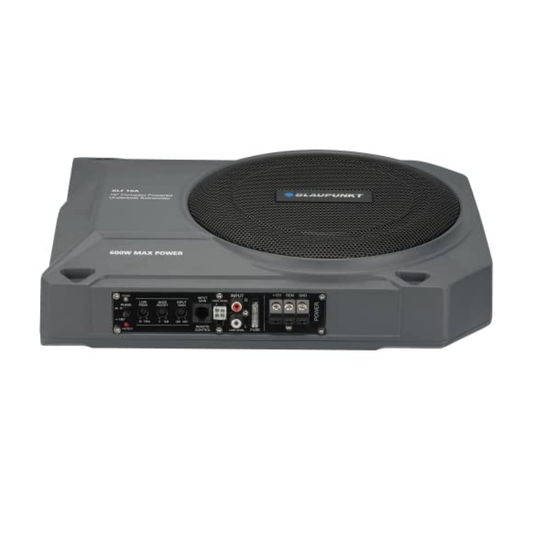
Blaupunkt XLF 10A 10″ Compact Active Under-Seat Subwoofer – 150W RMS / 600W Peak | Powerful Bass, Space-Saving Design
Regular price Rs. 14,860Sale price Rs. 14,860 Regular priceUnit price perRs. 19,990Sale -
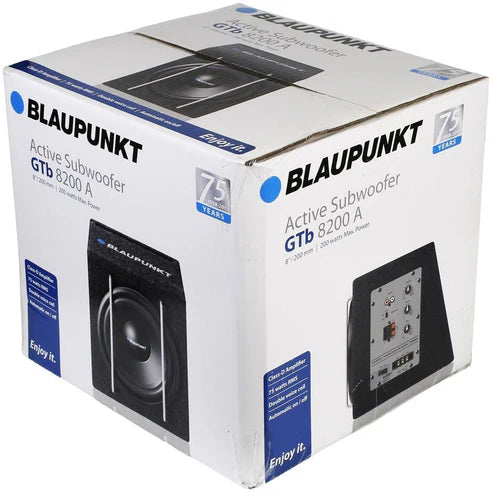
Blaupunkt GTB 8200A 8" Class D Active Subwoofer (75W RMS 200W Peak) - – Deep Bass, Built-In Amplifier
Regular price Rs. 8,860Sale price Rs. 8,860 Regular priceUnit price perRs. 10,990Sale -
Nippon NSW-760T 7.6-Inch Under-Seat Active Subwoofer | Deep Bass | Remote Control
Regular price Rs. 9,450Sale price Rs. 9,450 Regular priceUnit price perRs. 14,990Sale -
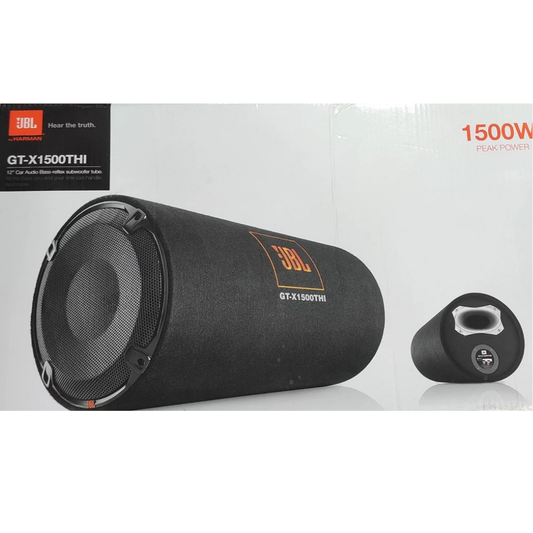
JBL GT-X1500THI 1500W Wired Subwoofer (Bass Tube)
Regular price Rs. 10,880Sale price Rs. 10,880 Regular priceUnit price perRs. 13,490Sale -
Sony Car Subwoofer XS-AW8 20 cm (8 inch) Active Under Seat Sub Woofer, Peak Power - 160W, RMS Power - 75W, Ultra-Sleek, High-Level Input/Audio-line Input
Regular price Rs. 21,360Sale price Rs. 21,360 Regular priceUnit price perRs. 22,990Sale -
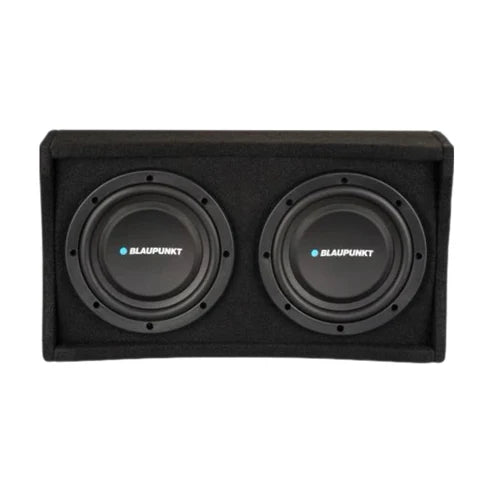
Blaupunkt TXb 2002A Active Down Firing Subwoofer – 1000W 8″ Dual Subwoofer
Regular price Rs. 16,880Sale price Rs. 16,880 Regular priceUnit price perRs. 19,990Sale -
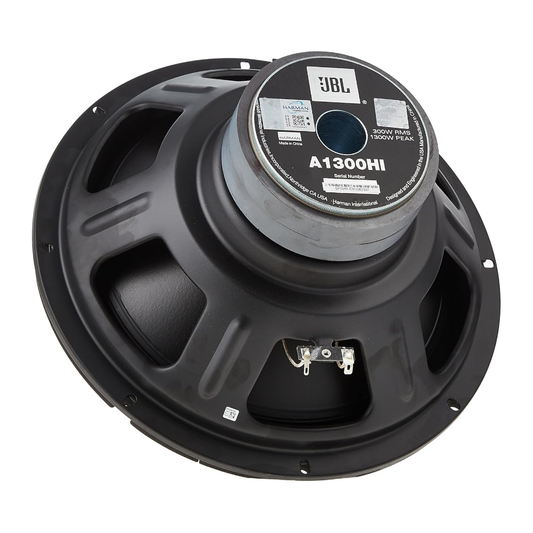
JBL A1300HI 1300W Wired Subwoofer – 12″ | Deep Bass Car Audio Upgrade
Regular price Rs. 5,860Sale price Rs. 5,860 Regular priceUnit price perRs. 7,990Sale -
JBL BassPro Hub – 11" (27.9 cm) 200W RMS Active Spare-Tire Subwoofer | Remote Control | Fiberglass Cone | Speaker/Line Inputs | Thermal & Current Protection
Regular price Rs. 31,980Sale price Rs. 31,980 Regular priceUnit price perRs. 48,990Sale -
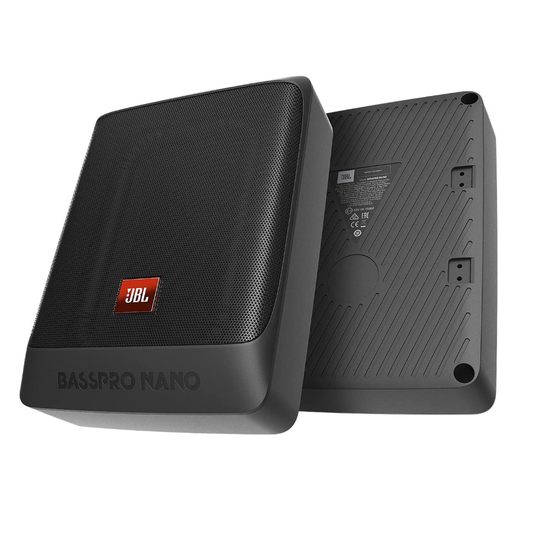
JBL BassPro Nano – Ultra-Compact Active Under-Seat Subwoofer | 100W RMS
Regular price Rs. 19,780Sale price Rs. 19,780 Regular priceUnit price perRs. 27,450Sale -
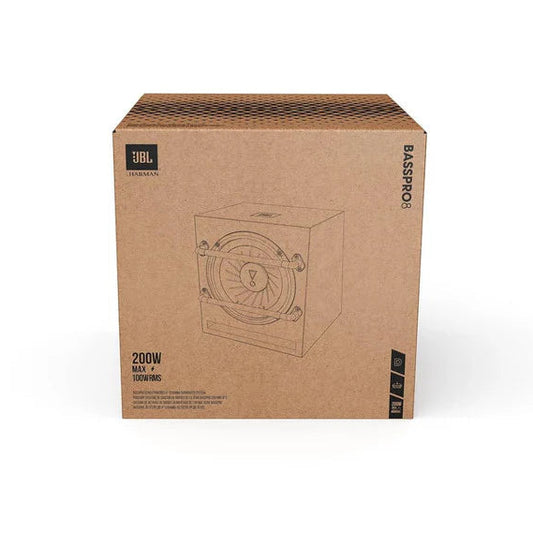
JBL BassPro 8 Active Powered Subwoofer System | 8-Inch Subwoofer with Built-in Class D Amplifier | 200W Max Power
Regular price Rs. 16,230Sale price Rs. 16,230 Regular priceUnit price perRs. 21,990Sale -
Blaupunkt ODx 350AW Active Spare Wheel Subwoofer | 11" Powered Subwoofer with Built-in Class D Amplifier | 1100W Peak Power
Regular price Rs. 22,680Sale price Rs. 22,680 Regular priceUnit price perRs. 28,990Sale -
Blaupunkt GTb 8200 A v2 8-Inch Active Subwoofer | 75W RMS | 200W Peak | Class-D Amplifier | Bass Reflex MDF Enclosure
Regular price Rs. 10,880Sale price Rs. 10,880 Regular priceUnit price perRs. 12,990Sale -
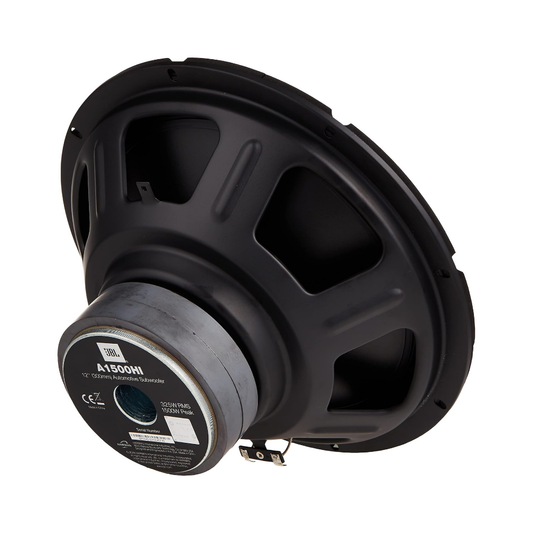
JBL A1500HI 1500W 1-Channel Wired Subwoofer – Powerful Deep Bass Performance
Regular price Rs. 6,480Sale price Rs. 6,480 Regular priceUnit price perRs. 8,490Sale -
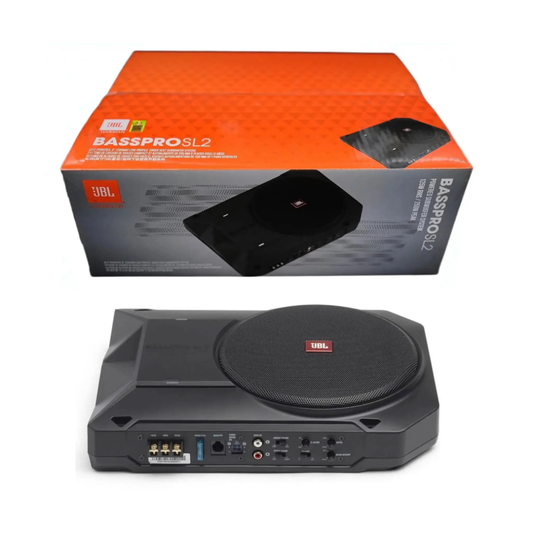
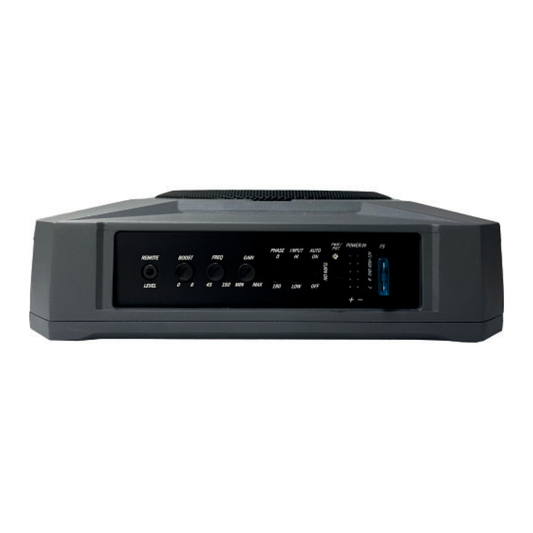
JBL BassPro SL2 Active Underseat Car Subwoofer with Built-in Amplifier | 8" Powered Subwoofer | 125W RMS
Regular price Rs. 26,880Sale price Rs. 26,880 Regular priceUnit price perRs. 34,990Sale -
Blaupunkt TXT-10A 10″ Class A/B Active Basstube | 120W RMS | 600W Peak Power | Deep Powerful Bass
Regular price Rs. 11,480Sale price Rs. 11,480 Regular priceUnit price perRs. 14,990Sale -
Blaupunkt ODx-10A Active UnderSeat Subwoofer – 10″ High-Power Car Bass Enclosure
Regular price Rs. 14,460Sale price Rs. 14,460 Regular priceUnit price perRs. 21,990Sale -
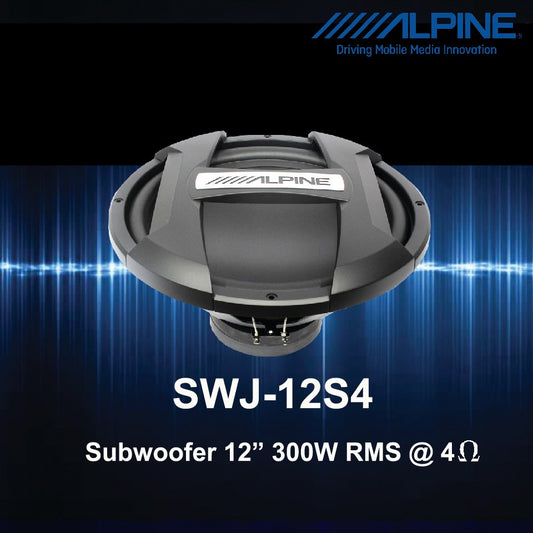
Alpine SWJ-12S4 J-Series 12″ Subwoofer (250W RMS / 750W Peak)
Regular price Rs. 6,520Sale price Rs. 6,520 Regular priceUnit price perRs. 8,199Sale -
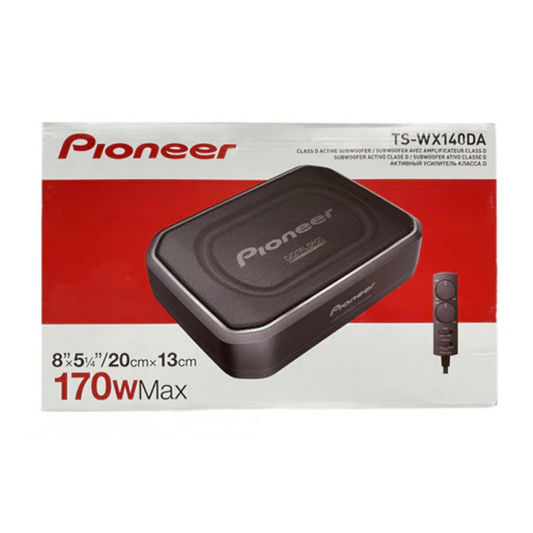
Pioneer TS-WX140DA Class-D Active Underseat Subwoofer | Digital Bass Control
Regular price Rs. 19,380Sale price Rs. 19,380 Regular priceUnit price perRs. 24,990Sale -
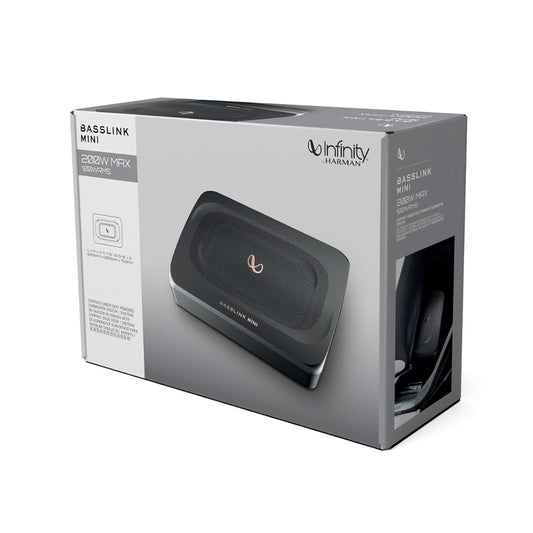
Infinity BassLink Mini Underseat Active Subwoofer | 200W Max Power | Compact Powered Bass System
Regular price Rs. 18,980Sale price Rs. 18,980 Regular priceUnit price perRs. 27,990Sale -
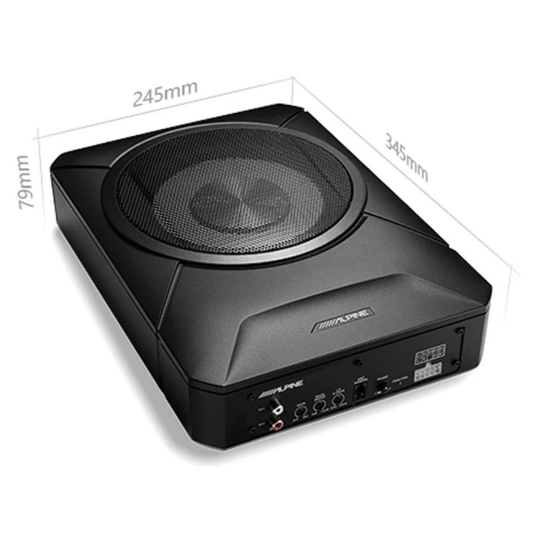
Alpine PWE-S800 8″ Compact Underseat Subwoofer (120W RMS / 240W Peak)
Regular price Rs. 24,480Sale price Rs. 24,480 Regular priceUnit price perRs. 32,999Sale -
JBL BassPro 12 – 12″ Powered Active Subwoofer with Ported Enclosure | Deep Bass & Remote Control
Regular price Rs. 29,300Sale price Rs. 29,300 Regular priceUnit price perRs. 32,990Sale -
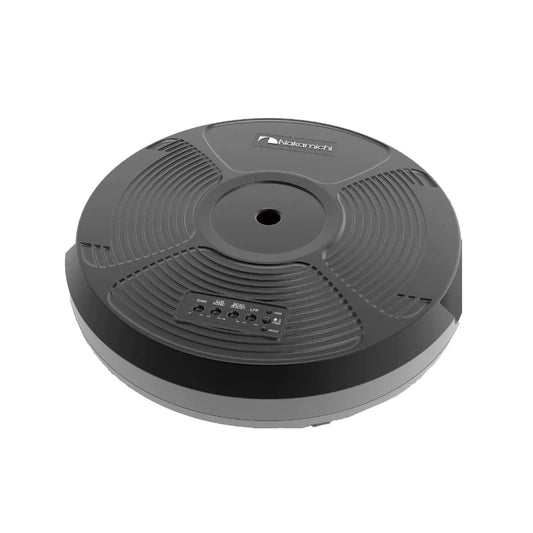
Nakamichi NBW1150A Spare Wheel Active Subwoofer with Built-in Amplifier | 11 Inch | 1000W Max Power
Regular price Rs. 22,880Sale price Rs. 22,880 Regular priceUnit price perRs. 29,990Sale -
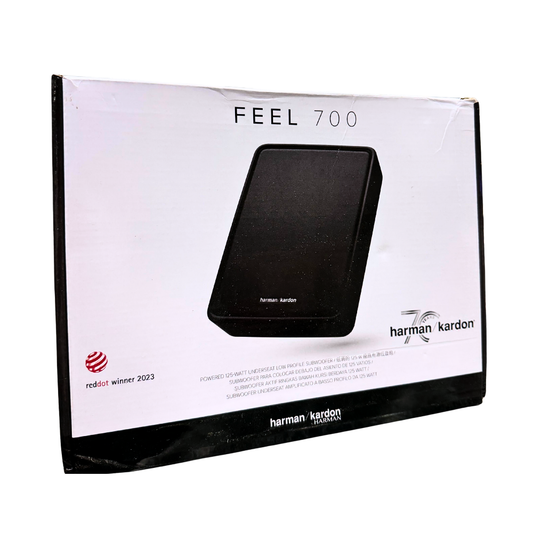
Harman Kardon Feel 700 7-Inch Active Underseat Subwoofer | 125W RMS / 250W Peak | Built-in Class D Amplifier
Regular price Rs. 30,800Sale price Rs. 30,800 Regular priceUnit price perRs. 39,990Sale -

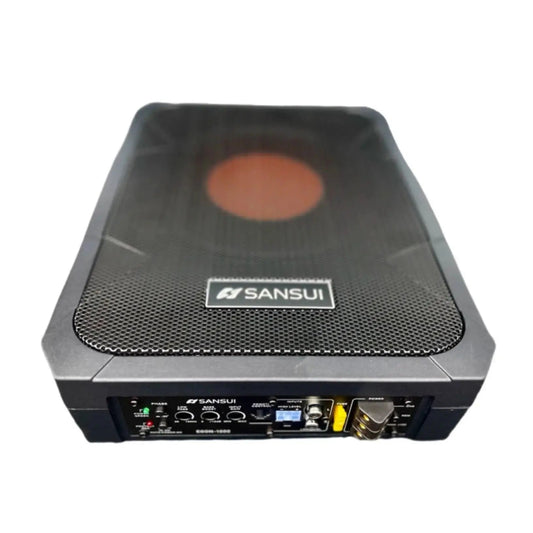
Sansui EGON-1000 Active Underseat Subwoofer | 10 Inch Ultra Slim Powered Subwoofer | 1000W Max Power
Regular price Rs. 14,580Sale price Rs. 14,580 Regular priceUnit price perRs. 21,435Sale -
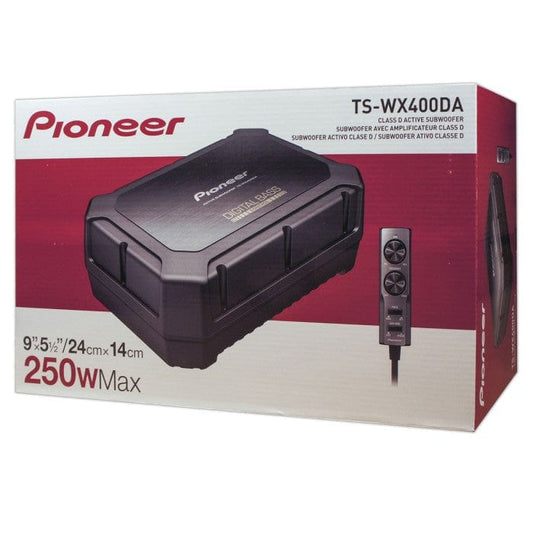
Pioneer TS-WX400DA Space Saving Active Subwoofer (250W)
Regular price Rs. 20,880Sale price Rs. 20,880 Regular priceUnit price perRs. 27,990Sale -
Infinity Alpha 1600 12 Inch Car Subwoofer | 1600W Peak | 300W RMS | Dual Magnet | Black
Regular price Rs. 4,880Sale price Rs. 4,880 Regular priceUnit price perRs. 7,490Sale -
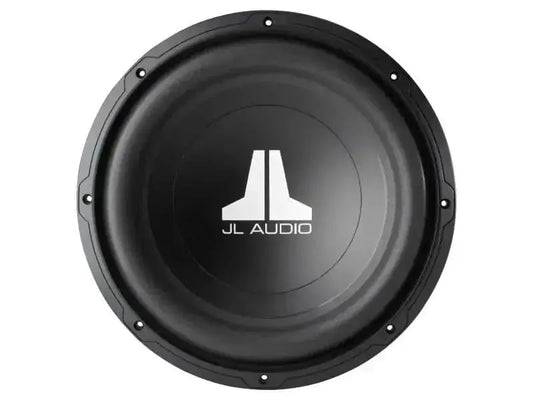
JL Audio 12W0v3-4 12-Inch Subwoofer | 300W RMS | High-Performance Car Bass Upgrade
Regular price Rs. 12,380Sale price Rs. 12,380 Regular priceUnit price perRs. 16,990Sale -

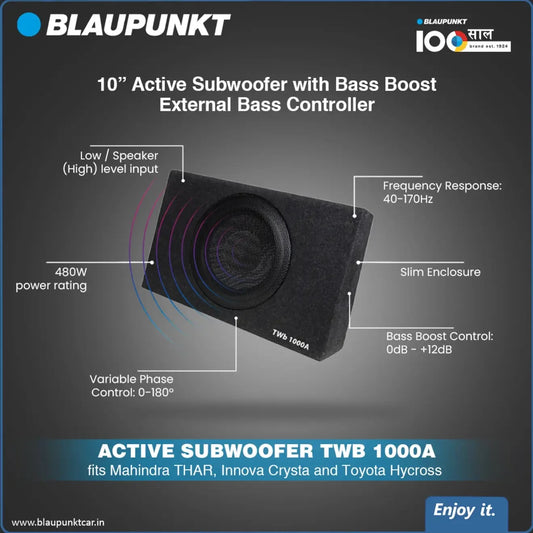
Blaupunkt TWB 1000A 10-Inch Class D Active Bassbox | 120W RMS | 480W Peak | External Bass Controller
Regular price Rs. 14,880Sale price Rs. 14,880 Regular priceUnit price perRs. 19,990Sale -
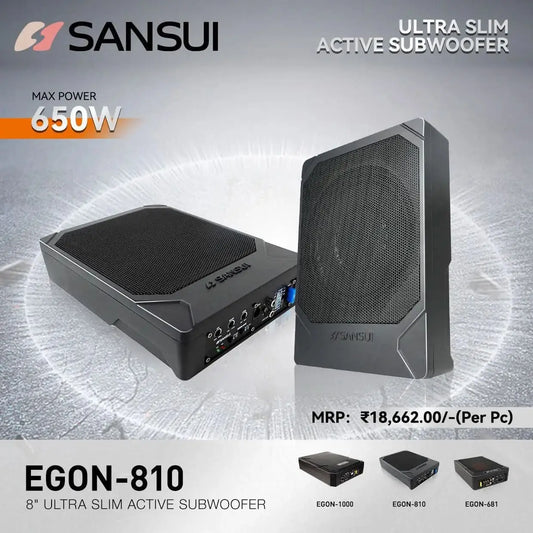
Sansui EGON-810 Active Underseat Subwoofer | 8 Inch Ultra Slim Powered Subwoofer | 650W Max Power
Regular price Rs. 11,280Sale price Rs. 11,280 Regular priceUnit price perRs. 18,662Sale -
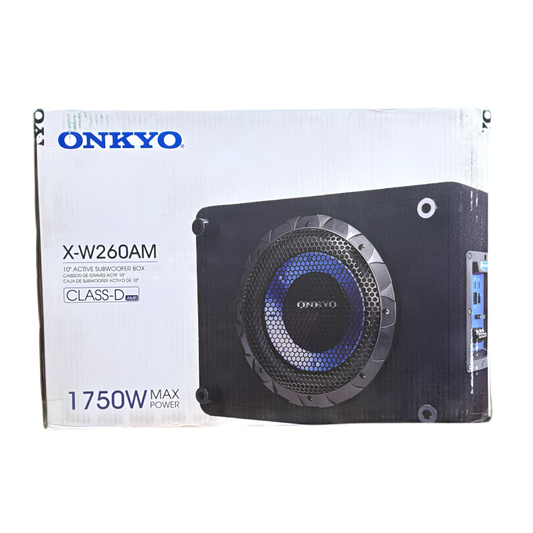
Onkyo X-W260AW 10″ Active Subwoofer Box | 250W RMS | 1750W Max Power | Built-In Amplifier
Regular price Rs. 21,880Sale price Rs. 21,880 Regular priceUnit price perRs. 32,990Sale -
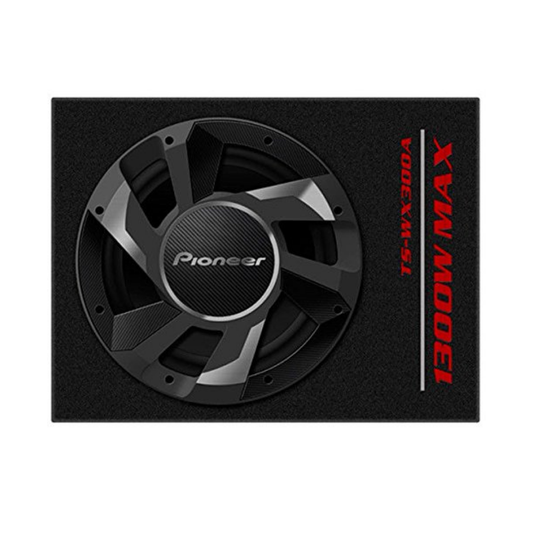
Pioneer TS-WX300A Powered Subwoofer System | Premium Full-Range Sound
Regular price Rs. 15,380Sale price Rs. 15,380 Regular priceUnit price perRs. 19,990Sold out -
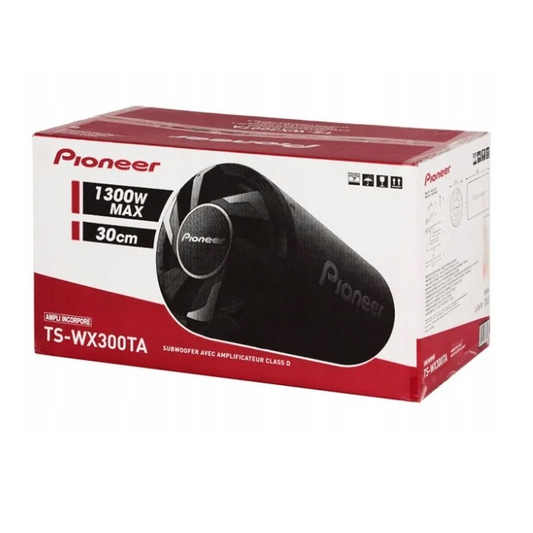
Pioneer TS-WX300TA 12″ Active Bass Tube Subwoofer (1300W Max / 350W RMS)
Regular price Rs. 13,880Sale price Rs. 13,880 Regular priceUnit price perRs. 21,990Sold out
































No matter how good your head unit or door speakers are, without a dedicated subwoofer for car, your audio setup is missing the frequencies that make music physically engaging. Bass below 80Hz simply cannot be reproduced by standard car door speakers, regardless of their wattage rating. A car subwoofer fills that gap, delivering the kick of a bass drum, the rumble of a bass guitar, and the low pulse of electronic music as a physical sensation rather than just a sound. At NHone, we carry 28 carefully selected subs for car from 9 globally trusted brands, covering every installation format from ultra-slim under-seat units to powerful 12-inch passive drivers, so every driver can find the right car bass system for their vehicle and their listening preference.
What Is a Car Subwoofer and Why Do You Need One?
A car subwoofer is a dedicated speaker designed exclusively to reproduce low-frequency audio, typically covering the range from 20Hz to 80Hz that standard car door speakers cannot reach. The human ear perceives these frequencies both acoustically and physically, which is why bass-heavy music feels flat and lifeless without a proper bass speaker for car. Standard 6.5-inch car speakers roll off steeply below 80Hz, regardless of their peak wattage rating. A subwoofer for car takes over at this point, using a larger cone, a heavier magnet, and a purpose-built enclosure to move significantly more air than a door speaker can. The result is not just louder bass but more controlled, more accurate, and more impactful low-end output that transforms how music sounds and feels inside your car cabin.
Types of Subwoofer for Car: Which Format Is Right for You?
The right type of subwoofer for car depends primarily on how much space you can give up and how much bass output you want. Our collection covers five distinct formats, each suited to a different kind of car and a different kind of driver. Understanding the differences between them before you browse is the most important step in making the right decision.
Powered Under-Seat Subwoofer
A powered subwoofer in an under-seat format is the most practical choice for hatchbacks, compact sedans, and anyone who wants to add bass without using any boot space. These units include a built-in Class D amplifier and a purpose-built low-profile enclosure that slides under the front passenger or driver seat. Despite their compact size, quality under-seat units from our collection, including the Blaupunkt XLF 10A 10-inch with 150W RMS and 600W peak, the JBL BassPro Nano with 100W RMS, the JBL BassPro SL2 8-inch with 125W RMS, the Sony XS-AW8 8-inch with 75W RMS, the Pioneer TS-WX140DA Class-D and TS-WX400DA 250W, the Alpine PWE-S800 8-inch with 120W RMS, the Infinity BassLink Mini 200W, and the Sansui EGON-810 8-inch 650W max and EGON-1000 10-inch 1000W max, deliver meaningful, cabin-filling bass that is clearly audible and physically felt at normal listening volumes.
Active Bass Tube (Cylindrical Subwoofer)
An active bass tube is a cylindrical powered subwoofer with a built-in amplifier housed inside a tube-shaped enclosure. The round cylindrical shape creates a resonant chamber that naturally reinforces bass output, producing a booming, high-impact sound signature that is popular with drivers who want powerful bass from a compact installation. Bass tubes can be mounted in the boot, under the rear seat, or in the footwell depending on size. Our collection includes the Blaupunkt TXT-10A 10-inch Class A/B bass tube with 120W RMS and 600W peak, the Blaupunkt TXb 2002A dual 8-inch down-firing unit with 1000W output, and the Pioneer TS-WX300TA 12-inch active bass tube with 350W RMS and 1300W max power.
Spare Tyre Subwoofer
A spare tyre subwoofer for car is one of the most space-efficient formats available and suits drivers who want strong bass output without occupying any boot floor space. These units are engineered to sit inside the spare wheel well in the boot, replacing or sitting alongside the spare tyre, and they come with a built-in amplifier and all mounting hardware. The JBL BassPro Hub 11-inch is a standout option in this category, delivering 200W RMS with remote bass control, a fiberglass cone, and built-in thermal and current protection. The Blaupunkt ODx 350AW 11-inch active spare wheel unit is a new addition that delivers 1100W peak power from a built-in Class D amplifier.
Passive Subwoofer (Requires External Amplifier)
A passive subwoofer is a bare subwoofer driver without any built-in amplification. It requires a separate mono or multi-channel amplifier to deliver power to it, and it is typically installed in a custom or prefabricated subwoofer box in the boot. Passive subwoofers speakers offer the most flexibility in tuning and can handle significantly higher power levels than active units, making them the choice for drivers who want the loudest, most powerful bass output possible. Our passive options include the Pioneer TS-W1212D4 Champion Series 12-inch with 500W nominal and 1600W peak power, the JBL A1300HI 12-inch with 1300W wired output, the JBL A1500HI 12-inch 1-channel 1500W unit, and the Alpine SWJ-12S4 J-Series 12-inch with 250W RMS and 750W peak.
Active Enclosed Subwoofer Box
An active enclosed subwoofer box combines a pre-built enclosure with a built-in amplifier, giving you the bass output of a traditional boot-mounted setup without the need to source a separate enclosure or amplifier. These are the best option for drivers who want strong, accurate bass from a boot installation without the complexity of a custom build. The Pioneer TS-WX300A powered subwoofer system and the Onkyo X-W260AW 10-inch active subwoofer box with 250W RMS and 1750W max power are the two key options in this category in our collection.
Subwoofer Size Guide: 8 Inch, 10 Inch and 12 Inch Subwoofer Compared
Subwoofer cone size is the most direct indicator of the kind of bass character a unit will produce. Larger cones move more air and produce more low-frequency output but require more physical space to install. Smaller cones are more practical for compact cars but produce a lighter, more subtle bass response. Choosing the right size requires balancing your bass expectations against the available space in your vehicle.
An 8 inch subwoofer is the most compact option and suits hatchbacks, compact SUVs, and drivers who want added bass warmth without an overwhelming low-end presence. Units like the Blaupunkt GTB 8200A 8-inch Class D active with 75W RMS and the JBL BassPro 8 with 200W max output are well-suited to smaller cabins where even moderate bass enhancement makes a significant difference to the overall listening experience.
A 10 inch subwoofer delivers a noticeably stronger bass response than an 8-inch unit while remaining practical for under-seat or compact boot installations. The Blaupunkt XLF 10A 10-inch active under-seat unit with 150W RMS and 600W peak, the Onkyo X-W260AW 10-inch active subwoofer box with 250W RMS, the Blaupunkt TXT-10A 10-inch bass tube with 600W peak, and the Sansui EGON-1000 10-inch ultra-slim unit with 1000W max power all sit in this size range and represent the sweet spot between output level and installation flexibility for most Indian car owners.
A 12 inch subwoofer is the standard choice for drivers who want serious, full-bodied bass that is felt as much as it is heard. The larger cone and greater excursion range produce sub-bass frequencies that smaller units physically cannot reach. Passive 12-inch options like the Pioneer TS-W1212D4 with 1600W peak and the JBL A1500HI with 1500W output are the choice for high-output systems driven by a dedicated mono amplifier. The Pioneer TS-WX300TA 12-inch active bass tube with 350W RMS gives you 12-inch bass output in a self-contained unit without needing a separate amplifier.
Powered Subwoofer vs Passive Subwoofer: Key Differences
The distinction between a powered subwoofer and a passive subwoofer is one of the most commonly misunderstood points when buying subs for car, and getting it right is essential before you purchase. A powered subwoofer includes a built-in amplifier matched to the driver, which means it is a complete, self-contained unit that connects directly to your car's electrical system and audio source. It is simpler to install, takes up less space, and works out of the box without any additional components. A passive subwoofer is a driver only, with no built-in amplification. It requires a separate mono amplifier to supply the correct power level, and typically delivers higher maximum output and more precise tuning capability as a result. For most Indian car owners who want a clean, practical upgrade, a powered subwoofer is the right starting point. For enthusiasts building a dedicated high-output car bass system, a passive 12-inch driver paired with a quality mono amplifier is the higher-performance path.
Key Specs to Check Before Buying a Subwoofer for Car
Every car subwoofer listing includes a set of specifications that determine how it performs in real use. Knowing which numbers matter most saves you from being misled by inflated peak power claims and helps you compare products on the basis of actual output capacity.
RMS Power is the sustained power a subwoofer handles continuously and is the most important figure for real-world performance. A subwoofer rated at 150W RMS consistently outperforms one rated at only 75W RMS regardless of what the peak power number says.
Peak Power is the maximum wattage the subwoofer can handle in very short bursts. It is always significantly higher than RMS and is primarily a marketing figure. Do not compare products on peak power alone.
Driver Size determines the amount of air the cone can move and directly affects how deep and how loud the bass output is. Larger drivers produce deeper, more impactful bass but require more physical space.
Enclosure Type determines the bass character. Sealed enclosures produce tight, accurate bass. Ported or bass-reflex enclosures produce louder, more extended bass with a more prominent low-frequency peak. Bass tubes are a form of ported enclosure in a cylindrical housing.
Input Type determines how the subwoofer connects to your audio chain. High-level inputs allow connection directly to speaker wire from the head unit. RCA or line-level inputs require a head unit or amplifier with dedicated subwoofer pre-outputs.
Brands in Our Subwoofer for Car Collection
Every brand in our subwoofer for car collection has been selected on the basis of engineering quality, customer review ratings, and real-world performance across Indian listening conditions and road environments. JBL, the most stocked brand with 8 products, offers the BassPro range of active under-seat units, spare tyre options, and passive drivers across multiple power levels. Blaupunkt follows with 7 products covering under-seat active units, bass tubes, and the down-firing TXb 2002A dual-driver design. Pioneer brings 5 products including the TS-W1212D4 passive 12-inch driver and the TS-WX series of compact active and bass tube options. Alpine's 2 products include the J-Series passive 12-inch driver and the PWE-S800 compact under-seat unit. Sansui's 2 new additions in the EGON series bring ultra-slim under-seat options with high peak power ratings. Sony, Nippon, Infinity, and Onkyo each contribute a single strong option to the collection, covering specific format and size needs.
How to Choose the Right Subwoofer for Your Car
With 28 products across five formats and multiple size options, the right subwoofer for car comes into focus quickly when you answer three straightforward questions before browsing.
How much space can you give up? If you drive a hatchback or compact SUV and need every centimetre of boot space, an under-seat powered subwoofer is the only practical format. If you can dedicate boot floor space to a subwoofer installation, a bass tube, enclosed box, or passive driver opens up.
Do you want a complete self-contained unit or are you building a system? A powered subwoofer is a complete solution requiring no additional components beyond a power connection and audio input. A passive subwoofer requires a separate amplifier and gives you more tuning flexibility in return.
How much bass output do you actually need? For daily driving and background music listening, an 8-inch or 10-inch active under-seat unit is more than sufficient. For listening to bass-heavy Indian film music, hip-hop, or electronic genres at higher volumes, a 10-inch or 12-inch unit with strong RMS output is the better choice.
Customer Queries Regarding Subwoofer for Car
Q: What is the difference between a powered subwoofer and a passive subwoofer for car?
A powered subwoofer includes a built-in amplifier and is a complete, plug-and-play installation. A passive subwoofer is a driver without any amplification and requires a separate external amplifier to function. Most drivers choose a powered unit for convenience, while audio enthusiasts prefer passive drivers paired with a dedicated mono amplifier for maximum output and tuning control.
Q: Can I connect a subwoofer for car to my existing factory head unit?
Yes. Most active under-seat subwoofers and bass tubes in our collection include high-level speaker inputs, which allow them to connect directly to the speaker wiring from a factory or aftermarket head unit without needing dedicated RCA subwoofer outputs.
Q: Which is better for a hatchback: an 8 inch subwoofer or a 10 inch subwoofer?
Both sizes work in hatchbacks, but the right choice depends on installation space and bass expectations. An 8 inch subwoofer fits more easily under the seat and produces smooth, warm bass that suits compact cabins well. A 10 inch subwoofer produces noticeably stronger output and deeper bass extension and is worth choosing if the under-seat cavity has the clearance to accommodate it.
Q: Does a 12 inch subwoofer need a separate amplifier?
If it is a passive 12-inch subwoofer, yes, a dedicated mono amplifier is required to deliver the correct sustained power to the driver. If it is a 12-inch active bass tube such as the Pioneer TS-WX300TA, the amplifier is built in and no separate unit is needed.
Q: Will a car subwoofer drain my car battery?
A properly installed subwoofer with a correctly rated inline fuse and adequate wiring will not damage or excessively drain a healthy car battery. Active under-seat units in our collection are matched to standard Indian car electrical systems. For high-power passive installations above 500W RMS, a capacitor or upgraded battery is sometimes recommended.
Q: Can I install a car subwoofer myself?
Under-seat active subwoofers and bass tubes with high-level inputs are among the more straightforward car audio upgrades and can be installed by anyone comfortable with basic car wiring. Passive subwoofer installations involving a separate amplifier, enclosure, and wiring kit are better handled by a professional car audio installer to ensure correct power wiring, signal routing, and enclosure positioning.

