

Collection: Car Amplifier


-
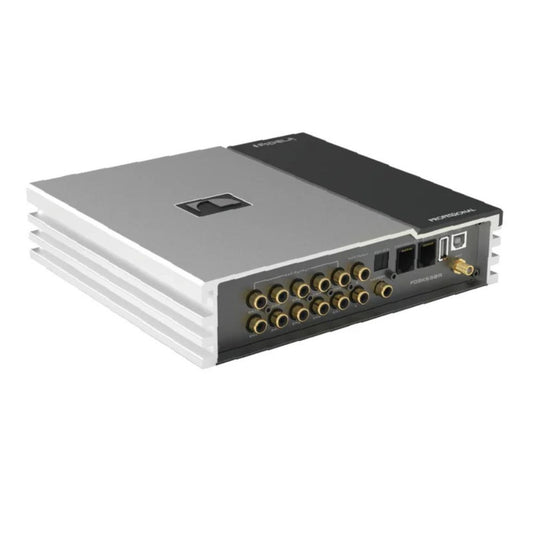
Nakamichi FDSK530A PRO — Fidela by Nakamichi DSP Power Amplifier (8-IN / 10-OUT)
Regular price Rs. 21,690Sale price Rs. 21,690 Regular priceUnit price perRs. 34,990Sale -
Morel MPD 4.100 4 Channel Amplifier — Class-D Digital Power for Your Car Audio
Regular price Rs. 14,280Sale price Rs. 14,280 Regular priceUnit price perRs. 19,990Sale -
JBL Stage GT 60041 4-Channel Car Amplifier | 1240W Peak Power | Class-D Performance
Regular price Rs. 13,680Sale price Rs. 13,680 Regular priceUnit price perRs. 17,999Sale -
Nakamichi NKTA750.5 – 5-Channel Class A/B Power Amplifier | Black | High-Performance Car Audio Amplifier
Regular price Rs. 12,890Sale price Rs. 12,890 Regular priceUnit price perRs. 24,990Sale -
Nakamichi NDSK4285AU – 8-Channel DSP Processor | 70W Max Output
Regular price Rs. 14,840Sale price Rs. 14,840 Regular priceUnit price perRs. 19,990Sale -
Nakamichi NHPD100.4 Class D 4-Channel Car Amplifier | 2800W Max | 100W RMS x 4 at 4Ω
Regular price Rs. 10,280Sale price Rs. 10,280 Regular priceUnit price perRs. 21,990Sale -
Sony Car Amplifier XM-N502 500W 2 Channel / 1 Channel Amplifier | Rated Power: 4ohm - 65W x 2 | Automatic Thermal Control
Regular price Rs. 7,880Sale price Rs. 7,880 Regular priceUnit price perRs. 7,990Sale -
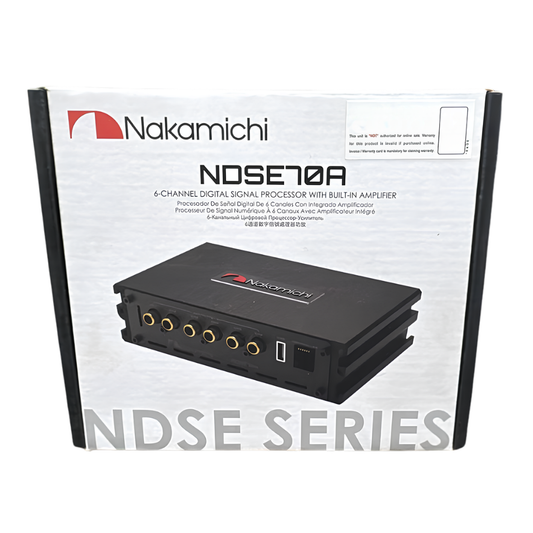
Nakamichi NDSE70A 6-Channel Digital Signal Processor with Built-in Amplifier | 4x50W Max Power | Bluetooth & USB DSP
Regular price Rs. 8,780Sale price Rs. 8,780 Regular priceUnit price perRs. 12,990Sale -
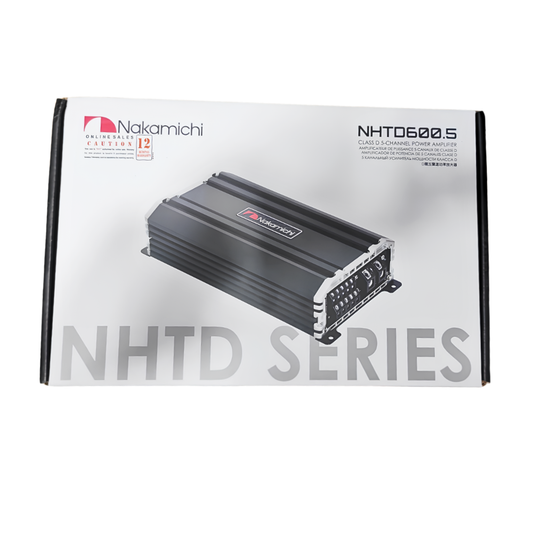
Nakamichi NHTD600.5 5-Channel Class D Amplifier with Bass Knob Controller Included
Regular price Rs. 16,580Sale price Rs. 16,580 Regular priceUnit price perRs. 25,990Sale -
Onkyo V-T60.4A 4-Channel Class AB Amplifier — Powerful Car Audio Upgrade
Regular price Rs. 8,180Sale price Rs. 8,180 Regular priceUnit price perRs. 14,990Sale -
Yuemi A4 4CH Class D Amplifier (4×100W) – Premium Car Audio Power
Regular price Rs. 9,120Sale price Rs. 9,120 Regular priceUnit price perRs. 17,499Sale -
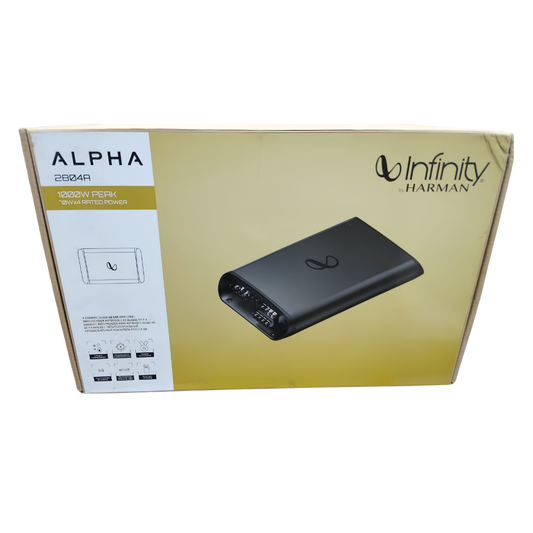
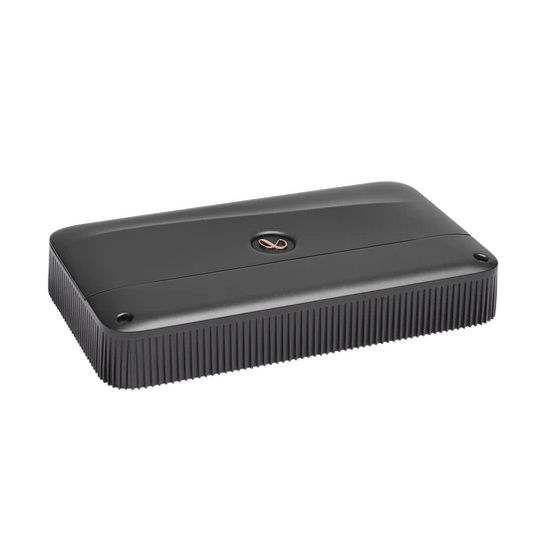
Infinity Alpha 2804A 4-Channel Class AB Car Amplifier | 1000W Peak Power | 70W x 4 RMS
Regular price Rs. 10,680Sale price Rs. 10,680 Regular priceUnit price perRs. 13,990Sale -
Onkyo R-MS10 – 6-Channel DSP Amplifier with Bluetooth & 15-Band EQ
Regular price Rs. 10,880Sale price Rs. 10,880 Regular priceUnit price perRs. 12,990Sale -
Pioneer GM-E7002 2/1 Channel Car Amplifier | 2-Step Bass Boost | High-Power Performance (4 Ohms)
Regular price Rs. 7,880Sale price Rs. 7,880 Regular priceUnit price perRs. 9,990Sale -

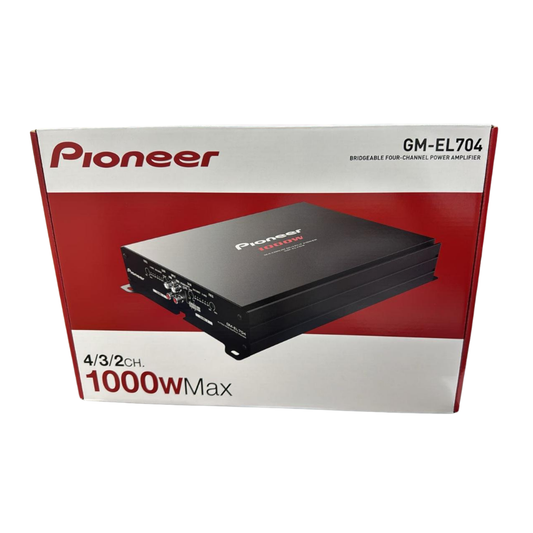
Pioneer GM-EL704 / XCNID 4-Channel Bridgeable Car Amplifier | High Performance Class AB Amplifier
Regular price Rs. 11,480Sale price Rs. 11,480 Regular priceUnit price perRs. 14,290Sale -
Pioneer GM-D8701 – 1-Channel Monoblock Car Amplifier | High-Power Bass Driver | 12V
Regular price Rs. 21,480Sale price Rs. 21,480 Regular priceUnit price perRs. 27,190Sale -
Onkyo R-MS55 DSP Amplifier for Car | 8-Channel Digital Sound Processor & Amplifier
Regular price Rs. 16,380Sale price Rs. 16,380 Regular priceUnit price perRs. 19,990Sale -
ONKYO R-MS66 DSP Amplifier / Digital Signal Processor - Powerful Car Audio Upgrade
Regular price Rs. 19,730Sale price Rs. 19,730 Regular priceUnit price perRs. 27,990Sale -
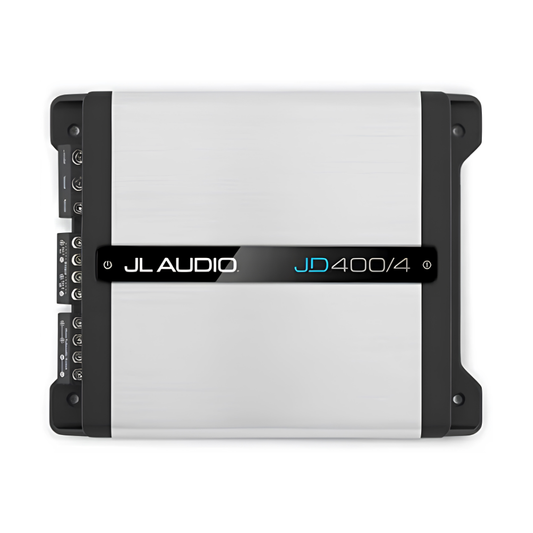
JL Audio JD400/4D 4-Channel Class D Car Amplifier | 400W RMS Total Power
Regular price Rs. 29,880Sale price Rs. 29,880 Regular priceUnit price perRs. 39,990Sale -
Nakamichi NKTE80.4 4-Channel Class AB Amplifier | Compact & Durable Design
Regular price Rs. 9,380Sale price Rs. 9,380 Regular priceUnit price perRs. 14,990Sale -
Infinity Car Amplifier Alpha 1302A | 2-Channel Amplifier Power & Precision Sound (Black)
Regular price Rs. 6,880Sale price Rs. 6,880 Regular priceUnit price perRs. 9,490Sale -
Onkyo V-T750.5A 5-Channel Class A/B Amplifier — Car Audio Powerhouse
Regular price Rs. 14,460Sale price Rs. 14,460 Regular priceUnit price perRs. 20,990Sale -
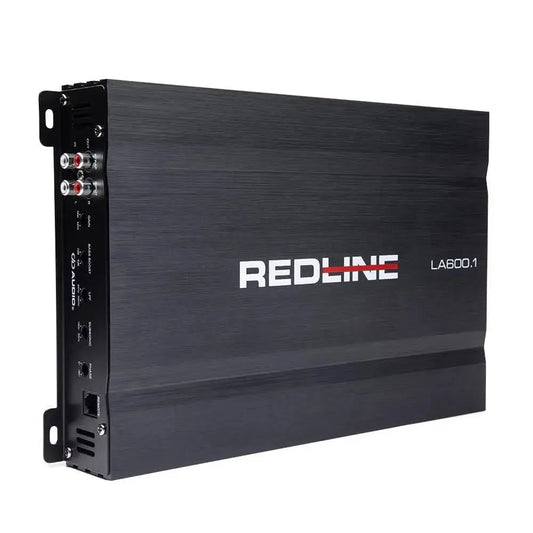
DD Audio RL-LA600.1 Redline Series 600W Monoblock Bass Amplifier | Class D Subwoofer Amplifier
Regular price Rs. 11,780Sale price Rs. 11,780 Regular priceUnit price perRs. 17,990Sale -
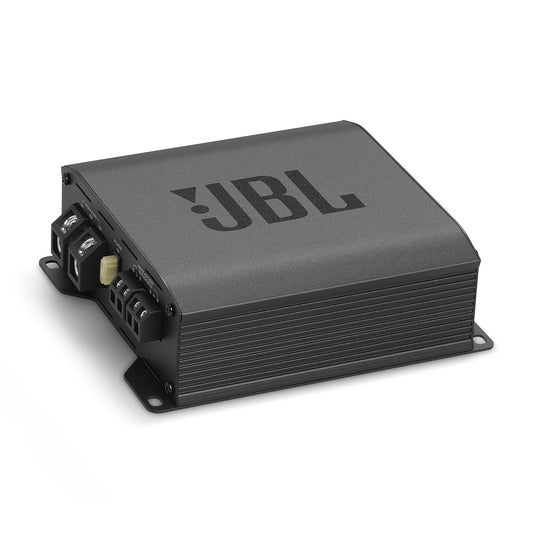
JBL Stage GT80021 2-Channel Car Amplifier | 800W Peak | 260W RMS Bridged | 130W RMS x2 @ 2 Ohm | Compact Class-D Amplifier
Regular price Rs. 10,880Sale price Rs. 10,880 Regular priceUnit price perRs. 15,990Sale -
Onkyo V-T1000.1D Mono Class-D Amplifier with External Bass Controller
Regular price Rs. 14,880Sale price Rs. 14,880 Regular priceUnit price perRs. 19,990Sale -
Nakamichi FDSK630A PRO Fidela Series 10-Channel Hi-Res DSP with Built-in 8-Channel Amplifier
Regular price Rs. 42,800Sale price Rs. 42,800 Regular priceUnit price perRs. 49,990Sale -
Infinity Reference 3004A 4-Channel Car Amplifier | 400W RMS | 2 Ohm Stable | High-Level Input
Regular price Rs. 18,980Sale price Rs. 18,980 Regular priceUnit price perRs. 29,990Sale -
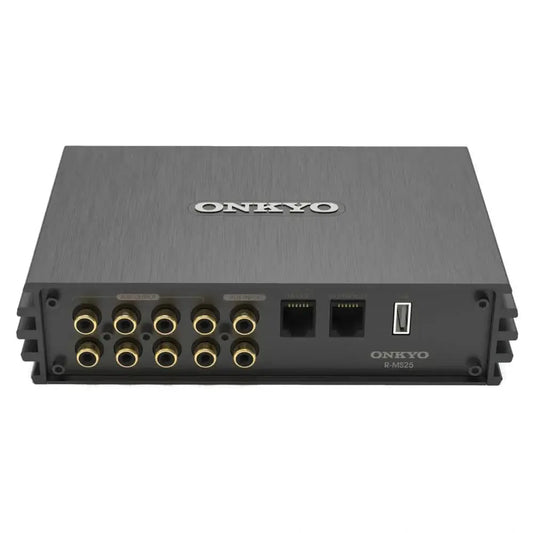
Onkyo R-MS25 DSP Car Amplifier | 4 Channel Input | 8 Channel Output | 4×50W Max Power | Built-In Bluetooth
Regular price Rs. 14,580Sale price Rs. 14,580 Regular priceUnit price perRs. 18,990Sale -
Zapco ST-5B 5-Channel Class A/B Car Amplifier
Regular price Rs. 17,220Sale price Rs. 17,220 Regular priceUnit price perRs. 23,990Sale -
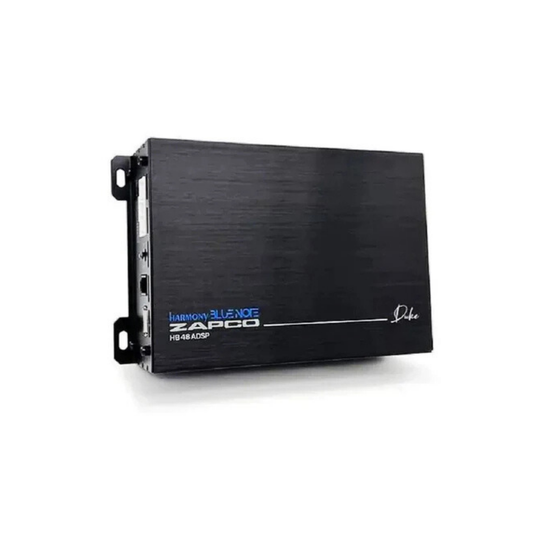
Zapco Duke HB 48 ADSP – Integrated 8 Channel DSP / 4-Channel Class-AB Amplifier
Regular price Rs. 18,880Sale price Rs. 18,880 Regular priceUnit price perRs. 24,990Sale -
Pioneer GM-D8704 4-Channel - Class FD, 1200w Max Power - Bridgeable Amplifier
Regular price Rs. 20,460Sale price Rs. 20,460 Regular priceUnit price perRs. 25,990Sale -
Sony Car Amplifier XM-GS4 4 Channel / 3 Channel / 2 Channel Amplifier (Black)
Regular price Rs. 18,640Sale price Rs. 18,640 Regular priceUnit price perRs. 19,890Sold out -
Pioneer GM-E7004 4-Channel Bridgeable Car Amplifier – Powerful Sound with Bass Boost & Tunable Filters
Regular price Rs. 9,860Sale price Rs. 9,860 Regular priceUnit price perRs. 12,990Sold out -
Nakamichi NKTA75.4 Class A/B 4 Channel Amplifier for Car Audio
Regular price Rs. 8,180Sale price Rs. 8,180 Regular priceUnit price perRs. 9,990Sold out -
Blaupunkt THA-285 2-Channel Offset Amplifier – 12V Car Audio Power Amplifier
Regular price Rs. 7,260Sale price Rs. 7,260 Regular priceUnit price perRs. 8,999Sold out


















Every speaker and subwoofer has a rated RMS power requirement that tells you how much clean, sustained power it needs to perform properly. Most factory head units and even mid-range Android car stereos supply between 15W and 22W RMS per channel, which is significantly below what quality aftermarket speakers are designed to handle. The result is sound that flattens at higher volumes, distorts under load, and never reaches the dynamic range the speakers are actually capable of. A dedicated car amplifier solves this problem directly, supplying clean, stable power to every component in your audio chain. At NHone, we carry 32 carefully selected automotive amplifiers from 11 globally trusted brands, covering every channel configuration from 2 channel car amplifiers to 8-channel DSP processors, so every driver can build the audio system they actually want.
What Does a Car Amplifier Actually Do?
A car amplifier takes the low-voltage audio signal from your head unit and boosts it to the power level your speakers and subwoofer need to perform at their rated output. It is not just a volume increase. A quality car audio amp supplies clean, stable power with low distortion, meaning your speakers receive a signal they can reproduce accurately without the clipping and compression that causes the harsh, fatiguing sound most people associate with high volume in-car audio. The difference between running a good set of component speakers off a head unit versus running them off a dedicated car amplifier is audible immediately: more headroom, more dynamic range, better separation between instruments, and the ability to play louder without the sound degrading. Without an amplifier, even the most expensive speakers are constrained by the head unit's limited output capacity.
Types of Car Amplifier: Choosing the Right Channel Configuration
Channel count is the first specification to decide on when choosing a car amplifier, because it determines what the amplifier can power and how flexible the installation will be. The right configuration depends entirely on how many speakers and subwoofers you are running and whether you want a single amplifier to handle the entire system or separate amplifiers for speakers and bass. Our collection covers five main channel configurations, each suited to a different system layout and a different kind of listener.
2 Channel Car Amplifier
A 2 channel car amplifier powers two audio channels independently, making it ideal for driving a pair of front component speakers or a set of coaxial speakers where maximum sound quality from the front stage is the priority. The two channels can also be bridged into a single high-power mono channel to drive a subwoofer, making 2 channel car amplifiers one of the most flexible formats available. Options in our collection include the Sony XM-N502 with 65W RMS per channel at 4 ohms and automatic thermal control, the Pioneer GM-E7002 with 2-step bass boost and bridgeable mono output, the Infinity Alpha 1302A, the Blaupunkt THA-285 12V offset design, and the JBL Stage GT80021 with 130W RMS per channel at 2 ohms.
4 Channel Car Amplifier
A 4 channel car amplifier is the most versatile format for building a complete front and rear audio system. It powers four independent channels simultaneously, typically used to drive two front speakers and two rear speakers, though the channels can also be bridged into two high-power channels to run a front speaker pair and a subwoofer from a single unit. This makes the 4 channel car amplifier the most popular starting point for drivers building a full system. Our 4-channel options include the Nakamichi NHPD100.4 Class D with 100W RMS per channel at 4 ohms, the Morel MPD 4.100 Class-D with precision tuning capability, the Sony XM-GS4 configurable as 4, 3, or 2 channels, the Infinity Alpha 2804A Class AB with 70W RMS per channel, the Onkyo V-T60.4A Class AB, the YueMi A4 Class D at 4x100W, the JBL Stage GT 60041 Class-D with 1240W peak, the Pioneer GM-D8704 Class FD with 1200W max and bridgeable design, the Pioneer GM-EL704 bridgeable Class AB, and the JL Audio JD400/4D Class D with 400W total RMS.
5-Channel Car Amplifier
A 5-channel car amplifier combines four full-range channels for door speakers with a dedicated subwoofer channel in a single chassis, which is the cleanest way to power a complete audio system from one unit rather than running two separate amplifiers. This reduces installation complexity, wiring requirements, and space usage significantly. Our 5-channel options include the Nakamichi NKTA750.5 Class A/B, the Nakamichi NHTD600.5 Class D with a physical bass knob controller included, the Onkyo V-T750.5A Class A/B, and the Zapco ST-5B Class A/B, all of which handle both the speaker and subwoofer channels of a complete system in a single installation.
Monoblock Amplifier (Car Subwoofer Amplifier)
A monoblock amplifier is a single-channel car subwoofer amplifier engineered specifically to drive subwoofers with maximum sustained power and maximum current delivery to low-impedance loads. Unlike multi-channel amplifiers that divide their power across several channels, a monoblock dedicates its entire power supply to a single subwoofer channel, delivering the kind of clean, high-current bass output that passive subwoofers need to perform properly. The Pioneer GM-D8701 1-channel monoblock is the dedicated subwoofer amplifier in our collection, alongside the Onkyo V-T1000.1D Mono Class-D unit with an external bass remote controller that allows you to adjust subwoofer level from the driver seat.
DSP Amplifier (Digital Signal Processor)
A car amplifier with an integrated DSP, or Digital Signal Processor, goes beyond simply supplying power. It allows you to control the acoustic output of your entire system at a micro level, adjusting time alignment so that sound from all speakers reaches your ears simultaneously, fine-tuning equalisation across multiple frequency bands, setting crossover points for each channel, and balancing output levels independently. This level of control transforms an ordinary car audio system into a precisely calibrated listening environment. DSP amplifiers and processors in our collection include the Nakamichi FDSK530A PRO with 8 inputs and 10 outputs, the Nakamichi NDSK4285AU 8-channel DSP processor, the Nakamichi NDSE70A 6-channel DSP with built-in amplifier and Bluetooth tuning, the Onkyo R-MS10 6-channel DSP with a 15-band equaliser and Bluetooth, the Onkyo R-MS25 DSP with 4-channel input and 8-channel output plus built-in Bluetooth, the Onkyo R-MS55 8-channel DSP amplifier, the Onkyo R-MS66 DSP amplifier, and the Zapco Duke HB 48 ADSP with an integrated 8-channel DSP and 4-channel Class AB amplifier.
Class A/B vs Class D Amplifier: Which Is Right for Your Car?
The amplifier class refers to the circuit topology used to boost the signal, and it determines the efficiency, heat output, size, and sound character of the unit. Choosing the right class for your installation depends on your sound quality priorities, the available space in your vehicle, and how the amplifier will be used in your system. Both Class A/B and Class D amplifier designs are represented throughout our collection across multiple brands.
A Class A/B automotive amplifier operates by having the output transistors active for more than half of the audio cycle, which produces very low distortion and a warm, natural sound character that audiophiles favour. Class A/B amplifiers are typically larger and generate more heat than Class D units, requiring adequate ventilation in the installation space. The Nakamichi NKTA750.5, Zapco ST-5B, Onkyo V-T750.5A, Infinity Alpha 2804A, and Pioneer GM-EL704 are Class A/B designs in our collection.
A Class D amplifier uses a switching output stage that is highly efficient, typically converting 80 to 90 percent of input power into audio output with minimal heat generation. This efficiency means Class D units are significantly more compact, run cooler, and draw less current from the car's electrical system, making them ideal for under-seat or tight boot installations. The Nakamichi NHPD100.4, Morel MPD 4.100, JBL Stage GT 60041, YueMi A4, JL Audio JD400/4D, Pioneer GM-D8704 Class FD, and the Onkyo V-T1000.1D are Class D designs in our collection.
Key Specs to Understand Before Buying a Car Amplifier
Understanding which specifications actually matter when comparing car amplifiers prevents you from being misled by inflated peak power figures and ensures you choose a unit that genuinely matches your speakers and subwoofer. Three numbers determine how a car audio amp performs in real use.
RMS Power per Channel is the most important specification. It tells you how much clean, continuous power the amplifier delivers to each speaker on a sustained basis. This is the number you must match against your speakers' RMS ratings to ensure the system is properly powered without risk of damage. Always compare RMS figures, not peak power.
Total Harmonic Distortion (THD) measures how accurately the amplifier reproduces the signal without adding unwanted harmonic distortion. Lower THD means cleaner sound. Quality amplifiers from brands like JL Audio, Sony, Morel, and Pioneer are specified at THD levels that ensure the signal remains clean even at high output levels.
Signal to Noise Ratio (SNR) measures the separation between the audio signal and background electrical noise. A higher SNR, typically expressed in decibels (dB), means a quieter, cleaner amplifier that does not introduce hiss or hum into your speakers. Premium units in our collection such as the Sony XM-GS4 and JL Audio JD400/4D are rated at high SNR levels for genuinely quiet background performance.
Crossover Filters are built-in high-pass and low-pass filters that determine which frequencies each channel amplifies. A high-pass filter on the speaker channels prevents bass frequencies from overloading your door speakers, while a low-pass filter on the subwoofer channel ensures only bass frequencies reach the subwoofer. Most amplifiers in our collection include adjustable crossover filters as standard.
Car Subwoofer Amplifier: Powering Your Bass the Right Way
A car subwoofer amplifier needs to deliver significantly more current than a speaker amplifier because subwoofers operate at lower impedances and require sustained, high-current power delivery to produce impactful bass at high output levels. Under-powering a subwoofer is one of the most common causes of distorted, weak bass and premature speaker damage. A dedicated monoblock or a bridged 2-channel amp in car is the correct approach for powering a passive subwoofer. The Pioneer GM-D8701 monoblock is the highest-output dedicated car subwoofer amplifier in our collection and is the right choice for drivers running a high-power passive 12-inch subwoofer. The Onkyo V-T1000.1D mono Class-D unit adds the convenience of a remote bass controller, allowing real-time adjustment of the subwoofer level from the driver seat without reaching into the boot.
Brands in Our Car Amplifier Collection
The engineering quality of a car amplifier determines how accurately it reproduces audio, how long it lasts under the thermal and electrical stresses of in-car use, and how reliably it protects your speakers from overpowering or clipping. Every brand in our collection has been selected for proven engineering standards and consistent performance. Nakamichi leads the collection with 8 products spanning Class A/B multi-channel amplifiers, Class D 4-channel units, and a comprehensive range of DSP processors and DSP amplifiers that cover the most technically demanding installations. Onkyo follows with 7 products, particularly strong in the DSP amplifier segment with the R-MS series offering Bluetooth tuning and multi-channel signal processing. Pioneer contributes 5 products including Class A/B, Class D, Class FD, and monoblock options across a wide power range. JBL and Sony each bring 2 products that leverage their extensive car audio engineering heritage. Infinity, ZAPCO, JL Audio, Morel, YueMi, and Blaupunkt each contribute focused options that cover specific channel configurations and performance tiers across the collection.
How to Choose the Right Car Amplifier for Your Audio Setup
With 32 products across 11 brands and multiple channel configurations, choosing the right car amplifier comes down to four questions that quickly narrow the selection to the units that genuinely fit your system.
What are you powering? If you are powering four door speakers and a subwoofer, a 5-channel amplifier handles everything from one unit. If you are powering only speakers, a 4-channel is the right choice. If you are powering a passive subwoofer only, a monoblock is the dedicated solution. If you want complete system tuning control, a DSP amplifier or separate DSP processor is the right addition.
What RMS power do your speakers and subwoofer need? Match the amplifier's RMS output per channel to the RMS rating on your speaker and subwoofer product pages. An amplifier running at twice the speaker's RMS rating with the gain set correctly is safer than an underpowered amplifier being pushed to clipping.
Is Class D or Class A/B better for your installation space? If you are installing in a tight space such as under a seat or in a compact boot, a Class D amplifier with its compact form factor and low heat output is the practical choice. If space and heat dissipation are not constraints and sound character is the priority, Class A/B delivers the most natural tonal quality.
Do you want DSP tuning capability? If you are building a multi-speaker system with component speakers, tweeters, and a subwoofer, adding a DSP allows you to precisely calibrate the system for your specific car cabin, which makes a larger audible difference than many hardware upgrades.
Customer Queries Regarding Car Amplifier
Q: What is the difference between a 2 channel car amplifier and a 4 channel car amplifier?
A 2 channel car amplifier powers two independent audio channels and suits front speaker pairs or can be bridged to drive a subwoofer. A 4 channel car amplifier powers four channels simultaneously, making it ideal for a complete front and rear speaker setup, or for powering two speakers and a subwoofer from a single unit using bridged channels.
Q: Do I need a separate car subwoofer amplifier or can my 4-channel amplifier power the sub?
A 4-channel amplifier can power a subwoofer by bridging two channels together, which is sufficient for moderate-power subwoofers. For high-power passive subwoofers requiring 300W RMS or more, a dedicated monoblock car subwoofer amplifier delivers cleaner, more sustained output without straining the multi-channel unit.
Q: What is the advantage of a Class D amplifier over Class A/B in a car?
A Class D amplifier is significantly more efficient, producing less heat and drawing less current from the car battery, which makes it easier to install in compact spaces and reduces electrical load on the vehicle. Class A/B amplifiers produce a slightly warmer tonal character but are larger and generate more heat, requiring more installation space and ventilation.
Q: What is a DSP amplifier and do I need one?
A DSP amplifier combines a power amplifier with a Digital Signal Processor that allows you to tune time alignment, equalisation, crossover frequencies, and output levels for each individual speaker. If you are building a multi-component system with separate front speakers, tweeters, and a subwoofer, a DSP produces a noticeably more accurate and immersive listening result compared to a standard amplifier.
Q: How do I know if my car amplifier is powerful enough for my speakers?
Compare the RMS power output of the amplifier per channel against the RMS rating of your speakers. The amplifier should supply between 75 percent and 150 percent of the speaker's RMS rating with the gain set correctly. An amplifier that is too weak will be pushed into clipping, which causes distortion and can damage speakers over time.
Q: Can I connect a car amplifier to my factory head unit?
Yes. Most amplifiers in our collection support high-level speaker inputs, which allow them to take signal directly from the factory speaker wiring without needing a dedicated pre-out connection from the head unit. This makes adding an amp in car straightforward even when keeping the factory or basic Android stereo in place.

