
Collection: Car Rear Cameras


-
Blaupunkt DH 3.1 AHD Car Reverse Parking Camera (Bumper) with AHD Picture Quality, Pixels- 1280 x 720, 170˚Wide Angle, Water Resistant, Sensor- CMOS, Compatible with AHD(PAL) and SD(NTSC) installs
Regular price Rs. 2,320Sale price Rs. 2,320 Regular priceUnit price perRs. 3,290Sale -
Blaupunkt BC DH 4.3 SD/AHD Universal OE Fitment Number Plate Camera | Dynamic Guidelines | Wide Angle | CMOS Sensor | Water Resistant
Regular price Rs. 2,582Sale price Rs. 2,582 Regular priceUnit price perRs. 3,290Sale -
Yuemi C-3 Rear AHD Camera | 1080P • Dome-Cap Style • Wide-Angle + Night Vision
Regular price Rs. 1,920Sale price Rs. 1,920 Regular priceUnit price perRs. 2,499Sale -
myTVS AHD 1080P Car Reverse Parking Camera | 120° Wide Angle | IP68 Waterproof | HD Parking Camera with Night Vision| Compatible with All Cars
Regular price Rs. 1,460Sale price Rs. 1,460 Regular priceUnit price perRs. 2,999Sale -
YueMi C1 Rear AHD Camera — 1080P | 160° Wide Angle | IP68 Waterproof
Regular price Rs. 1,880Sale price Rs. 1,880 Regular priceUnit price perRs. 2,990Sale -
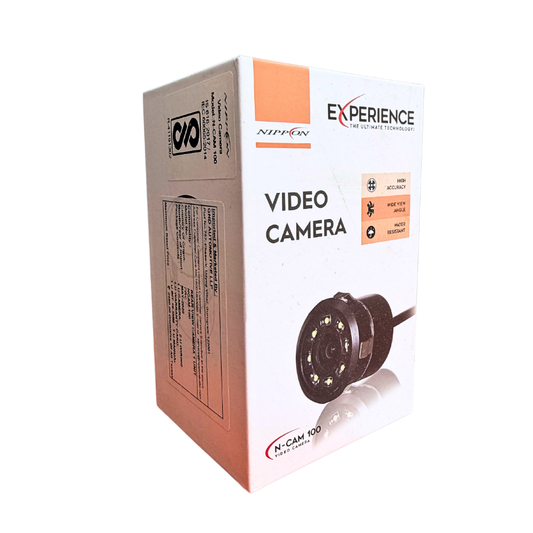
Nippon Car Rear View Reverse Parking LED Camera | Single Chip1/4 Sensor | Waterproof | Night Vision | 120 Degree Wide Angle | 10 bit Digital Video | NCAM-100
Regular price Rs. 1,790Sale price Rs. 1,790 Regular priceUnit price perRs. 2,490Sale -
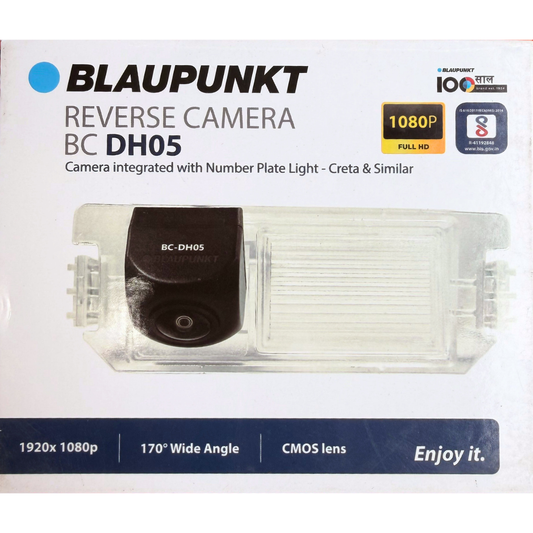
Blaupunkt BC DH05 Reverse Camera with Number Plate Light for Hyundai Creta & Similar Cars
Regular price Rs. 2,760Sale price Rs. 2,760 Regular priceUnit price perRs. 3,290Sale -
Sansui SCHD-110 AHD Rear View Camera | 720P HD Reverse Parking Camera | 2-in-1 Mounting
Regular price Rs. 1,480Sale price Rs. 1,480 Regular priceUnit price perRs. 2,290Sale -
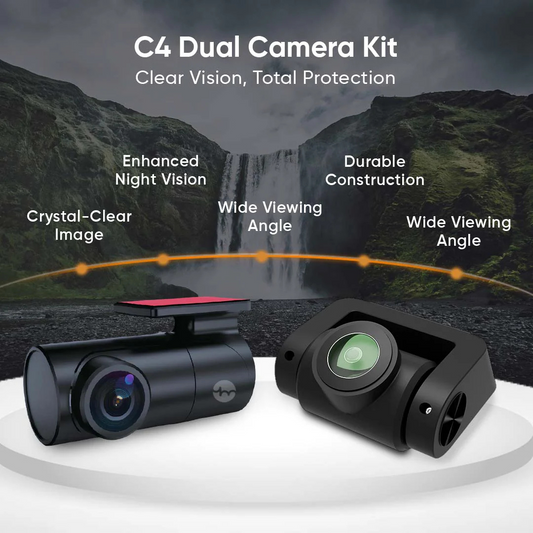
YueMi C4 1080P – Dual-Channel Front & Rear AHD Camera System
Regular price Rs. 5,220Sale price Rs. 5,220 Regular priceUnit price perRs. 6,249Sale -
Fusion Gold Universal Fisheye Angle Wide View AHD Reverse | Night Vision | Camera for Car
Regular price Rs. 2,280Sale price Rs. 2,280 Regular priceUnit price perRs. 2,899Sale -
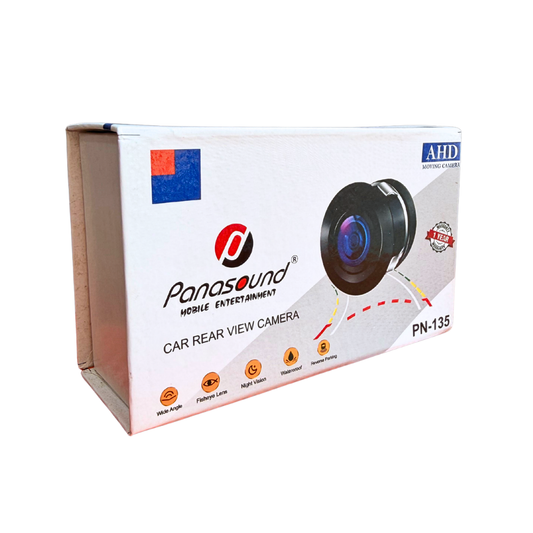
Panasound PN-135 AHD Rear View Camera | HD Reverse Parking Camera | Night Vision | Waterproof
Regular price Rs. 1,880Sale price Rs. 1,880 Regular priceUnit price per -
Bluzon Car Full AHD Fisheye Camera | 170° Ultra-Wide Angle | Panoramic Lens | Waterproof Design
Regular price Rs. 1,480Sale price Rs. 1,480 Regular priceUnit price perRs. 2,899Sale -
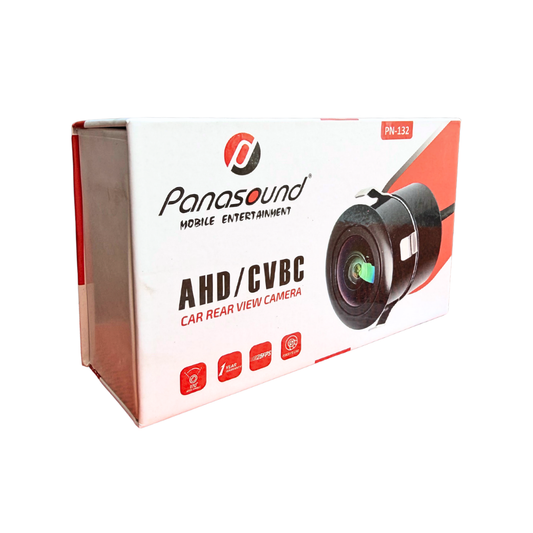
Panasound PN-132 AHD/CVBS Rear View Camera | HD Reverse Parking Camera | 170° Wide Angle
Regular price Rs. 2,020Sale price Rs. 2,020 Regular priceUnit price perRs. 2,890Sale -
Panasound PN-110 Reverse Parking Camera | HD 720P | Waterproof | 170° Wide Angle
Regular price Rs. 2,180Sale price Rs. 2,180 Regular priceUnit price perRs. 2,990Sale











Reversing a car is the manoeuvre that causes more minor accidents, parking damage, and anxiety than almost any other driving situation. The area directly behind your rear bumper is a blind zone that no combination of factory mirrors can fully cover, and in Indian parking environments that blind zone regularly contains pedestrians, motorcycles, low bollards, and unseen kerbs. A car rear camera, also called a reverse camera for car or backup camera, eliminates this blind zone entirely by displaying a live wide-angle view of the area behind your vehicle on your head unit screen the moment you shift into reverse. At NHone, we carry a comprehensive collection of car rear camera products covering every mounting format, resolution tier, and compatibility requirement for Indian cars and head unit types.
What Is a Car Rear Camera and How Does It Work?
A car rear camera is a compact, weatherproof camera mounted at the back of the vehicle that faces rearward and downward to capture the road surface immediately behind the rear bumper. It is connected by a video cable to a head unit or display monitor inside the car. When you shift into reverse gear, the head unit receives a trigger signal through the reverse gear wire and automatically switches the screen to display the rear view camera feed. The camera stays active while reverse is engaged and returns to the previous screen mode the moment you shift out of reverse. The entire process is automatic and requires no input from the driver beyond engaging reverse gear.
What a reverse camera for car shows you on the screen:
-
The road surface and obstacles in the 2 to 5 metres immediately behind the rear bumper
-
Pedestrians, cyclists, and parked vehicles approaching from behind
-
Parking stops, kerbs, and walls that are invisible in the rearview mirror
-
Dynamic parking guidelines overlaid on the image showing the car's reverse path
-
The position of the rear wheels relative to parking bay lines
-
Ground-level hazards such as speed breakers, potholes, and debris
Why Every Indian Driver Needs a Reverse Camera System for Their Car
The standard factory mirror setup in most Indian cars includes an interior rearview mirror and two side mirrors. Together they cover a significant portion of the road behind the car, but they leave several blind zones that a reverse camera system for car addresses directly. Understanding exactly where these blind zones are explains why the camera view is fundamentally different from what any mirror configuration can provide.
Key blind zones that a car rear camera covers that mirrors cannot:
-
The area directly behind the rear bumper at ground level, which is where low obstacles, small children, and pets are most commonly injured in slow reversing incidents
-
The space between 0 and 1.5 metres behind the car, where the rear bumper and boot overhang block the mirror view completely at close range
-
The rear corners below waist height, which are invisible in side mirrors and only partially visible in the interior mirror
-
Night-time and low-light environments where mirrors reflect only what is already illuminated, while a night vision rear camera actively illuminates the area with infrared LEDs for a clear image in complete darkness
-
Tight parking structures and basement lots where lighting is minimal and obstacles are close on multiple sides simultaneously
A reverse view camera for car replaces all of these gaps with a single, real-time wide-angle image that shows the driver exactly what is behind the car before and during the reversing manoeuvre.
Types of Car Rear Camera Mounting Formats
The mounting format of a vehicle rear camera determines where and how it sits on the back of the car and how visible or discreet the installation appears. Choosing the right mounting format depends on your car's rear body design and your preference for installation method. The main formats available across our collection are as follows:
Number Plate Mount Camera
A number plate mount reverse parking camera sits in the centre of the number plate frame or replaces the number plate light housing on the boot lid. It is the most universally compatible format because every car has a number plate location, and the central position gives the most symmetrical and complete view of the area directly behind the car. This format requires minimal drilling and in some versions uses the existing number plate light wiring for power, making it one of the cleanest installations available.
Bumper Flush Mount Camera
A bumper flush mount car rear camera is drilled into the lower portion of the rear bumper and sits completely flush with the bumper surface. From outside the car, the camera is barely visible, making this the most discreet mounting format. It is particularly common on premium sedans and hatchbacks where aesthetics matter. The flush position also places the camera close to the ground, giving an excellent view of the road surface immediately behind the rear wheels.
Boot Handle Mount Camera
Some cars have a rear handle or tailgate grab that accommodates a small camera unit. This mounting format requires no drilling into the bumper and uses the existing handle panel for positioning. It is popular on hatchbacks and SUVs with prominent rear door handles and provides a high central rear view that works well for general reversing awareness.
Wide Angle Fisheye Camera
A wide angle rear camera with a fisheye lens covers the maximum possible field of view behind the car, typically 170 degrees or more, which approaches a complete 180-degree panoramic view. The fisheye format is particularly useful for wider vehicles, vans, and SUVs where the rear corners are most at risk during reversing. The tradeoff is that fisheye images have more edge distortion than standard wide-angle cameras, making distance judgement at the periphery slightly less accurate.
Key Specs to Understand Before Buying a Car Rear Camera
Choosing the right reverse camera for car from a wide range of options requires understanding the specifications that have the most practical impact on real-world daily use. These are the numbers and features that genuinely matter.
Field of view angle:
-
120°: Narrower view with less distortion, better for judging exact distances to objects directly behind the car
-
140° to 150°: A balanced wide angle that shows the rear bumper area and rear corners simultaneously
-
160° to 170°: Maximum wide angle coverage including the rear corners and ground level alongside both rear wheels
-
For most Indian parking environments, 150° to 170° delivers the most useful coverage
Resolution and signal format:
-
720P AHD: Clear and sharp enough for confident parking assistance in most conditions
-
1080P AHD: Noticeably sharper image with better colour accuracy and detail in low-light conditions
-
CVBS standard definition: Compatible with older head units and factory displays but limited to lower resolution output
-
Dual AHD/CVBS: Compatible with both modern Android head units and older standard displays, offering the broadest fitment range
Night vision rear camera performance:
-
Active infrared (IR) LEDs: Illuminate the area behind the car with infrared light that the camera detects but the human eye cannot see, producing a clear monochrome or colour image in complete darkness
-
LED-lit cameras: Some cameras use visible white LEDs that illuminate the area behind the car for both the camera and surrounding observers
-
For basement parking and night-time reversing, active IR night vision is the most reliable choice
Waterproofing:
-
IP67: Protected against water immersion up to 1 metre for 30 minutes, suitable for all normal Indian driving and weather conditions
-
IP68: The highest commonly available waterproofing rating, recommended for cameras installed on vehicles frequently exposed to heavy rain, pressure washing, or muddy off-road driving
Dynamic vs static parking guidelines:
-
Static parking lines are fixed guidelines overlaid on the camera image showing standard distance markers that do not change
-
Dynamic parking guidelines are lines that shift and curve in response to the car's steering angle, projecting the actual path the rear of the car will follow as you reverse and turn
-
Dynamic guidelines are significantly more useful for parallel parking and reversing into tight angled bays
AHD vs CVBS: Understanding the Two Signal Formats
The signal format of a vehicle rear camera determines the resolution it can deliver and which head units it is compatible with. Getting this right before purchase is essential because an AHD camera connected to a CVBS-only head unit will not display correctly, and vice versa.
AHD (Analog High Definition) cameras transmit 720p or 1080p video over a standard coaxial cable without any compression or latency. The image appears immediately when reverse is engaged with no lag or startup delay. AHD requires a head unit with a dedicated AHD camera input, which is standard on most modern aftermarket Android head units. If your head unit supports AHD, always choose an AHD camera for the sharpest possible rear view camera image.
CVBS (Composite Video Broadcast Signal) is the older analog video standard that transmits standard definition video. It is compatible with a wider range of head units including older factory displays and basic aftermarket monitors. If your car still has its original factory head unit or an older non-Android aftermarket unit, a CVBS camera is the compatible choice. Some cameras in our range support both AHD and CVBS output simultaneously, making them the most broadly compatible option available.
OEM-Fit vs Universal Reverse Cameras: Which Is Right for Your Car?
Both types of reverse camera system for car are available in our collection, and the right choice depends on your car model and how clean you want the final installation to look.
Universal reverse cameras are the most flexible format and fit virtually any car regardless of make, model, or year. They use standard mounting hardware and connect to any compatible head unit via a standard video cable. Installation is straightforward for any car accessory installer and the camera can be repositioned or transferred to a different vehicle if needed.
OEM-fit cameras are engineered specifically for one car model, integrating with that car's existing mounting points, electrical connectors, and visual design. They are designed to look as though the camera was fitted at the factory, with colour-matched housings, existing connector compatibility, and in some cases direct plug-and-play connection to the car's existing multimedia system without requiring additional activator modules. OEM-fit car parking camera options in our collection cover specific Maruti Suzuki and Hyundai models. If your car model has an OEM-fit option available, it is almost always the better choice for a cleaner, more professional installation.
How to Connect a Car Rear Camera to Your Head Unit
Connecting a reverse view camera for car to your head unit involves three wiring steps that any experienced car accessory installer can complete quickly and cleanly.
The connection process:
-
Video cable: The camera's video cable runs from the camera through the boot, along the interior trim panels, and connects to the camera input on the back of the head unit
-
Power wire: The camera's power wire connects to the reverse light circuit in the boot, which provides 12V power only when the car is in reverse gear
-
Trigger wire: A reverse trigger wire from the camera connects to the same reverse light circuit or to the head unit's dedicated reverse trigger input, signalling the head unit to switch to the camera feed when reverse is engaged
-
AHD or CVBS input selection: On the head unit, the camera input is configured for AHD or CVBS depending on the camera type, and the screen automatically switches to the camera feed on reverse signal
For OEM-fit cameras that connect directly to the car's multimedia system, the process is simplified to a plug-and-play connection using the car's existing wiring connectors, with no separate trigger wire required.
Who Benefits Most from a Car Rear Camera?
A car rear camera is one of the most universally useful car safety upgrades available and benefits virtually every driver in India. However, the improvement in safety and parking confidence is most significant for specific driver profiles.
Drivers who benefit most:
-
New and inexperienced drivers who are still building reversing confidence and spatial awareness
-
Owners of larger cars including SUVs, MPVs, and sedans where the boot overhang and rear pillar design create significant reversing blind zones
-
Urban commuters who park in tight apartment lots, on-street spaces, and commercial parking where the margin for error is minimal
-
Families with young children who need confidence that the area directly behind the car is clear before reversing
-
Night-time drivers who reverse in poorly-lit residential areas, basement lots, and unlit lanes where mirrors provide no useful information
-
Drivers of cars without factory reverse camera across older model years or lower trim levels where the camera was not included as standard
Customer Queries Regarding Car Rear Camera
Q: What is a car rear camera and how does it help with parking?
A car rear camera is a camera mounted at the back of the vehicle that displays a live wide-angle view of the area behind the car on the head unit screen when reverse gear is engaged. It shows obstacles, pedestrians, kerbs, and parking stops that are invisible in mirrors, removing the guesswork from reversing and reducing the risk of parking damage and accidents significantly.
Q: What is the difference between AHD and CVBS in a reverse camera for car?
AHD (Analog High Definition) is a modern signal format that delivers 720p or 1080p high-definition video with no lag. It requires a head unit with an AHD-compatible camera input. CVBS is the older standard-definition analog format compatible with a wider range of older head units and factory displays. The key differences:
-
AHD: Higher resolution, clearer image, requires compatible head unit
-
CVBS: Lower resolution, compatible with older and factory head units
-
Dual format cameras: Support both AHD and CVBS simultaneously for maximum compatibility
Q: Does a car rear camera work in the dark?
Yes, provided you choose a night vision rear camera with active infrared LED illumination. Infrared LEDs around the camera lens illuminate the area behind the car with light the camera detects but the human eye cannot see, producing a clear image in complete darkness. This is essential for basement parking and reversing in unlit areas.
Q: What field of view angle do I need for my car rear camera?
The right angle depends on your vehicle size and parking environment:
-
120° to 130°: Better for judging exact distances, less distortion, suits compact cars in open parking
-
150° to 160°: Good balance of coverage and accuracy, suits most Indian hatchbacks and sedans
-
170°+: Maximum coverage including rear corners and ground level alongside wheels, suits SUVs, MPVs, and wider vehicles
Q: Will an aftermarket reverse camera work with my factory head unit?
It depends on the factory head unit type. Older factory head units typically accept a CVBS composite video input via an interface adapter. Some factory multimedia systems, including certain Maruti Suzuki OEM units, have a dedicated reverse camera port that accepts a plug-and-play camera connection without any adapter. If you have an aftermarket Android head unit, it will accept both AHD and CVBS camera inputs directly. Contact our team to confirm which option works with your specific head unit.
Q: What is the difference between static and dynamic parking guidelines on a rear view camera?
Static guidelines are fixed lines on the screen that show standard distance markers regardless of steering position. Dynamic guidelines shift and curve as you turn the steering wheel, showing the actual path your car's rear end will follow during the reversing manoeuvre. For parallel parking and reversing into angled bays, dynamic guidelines are significantly more useful and practical.

